

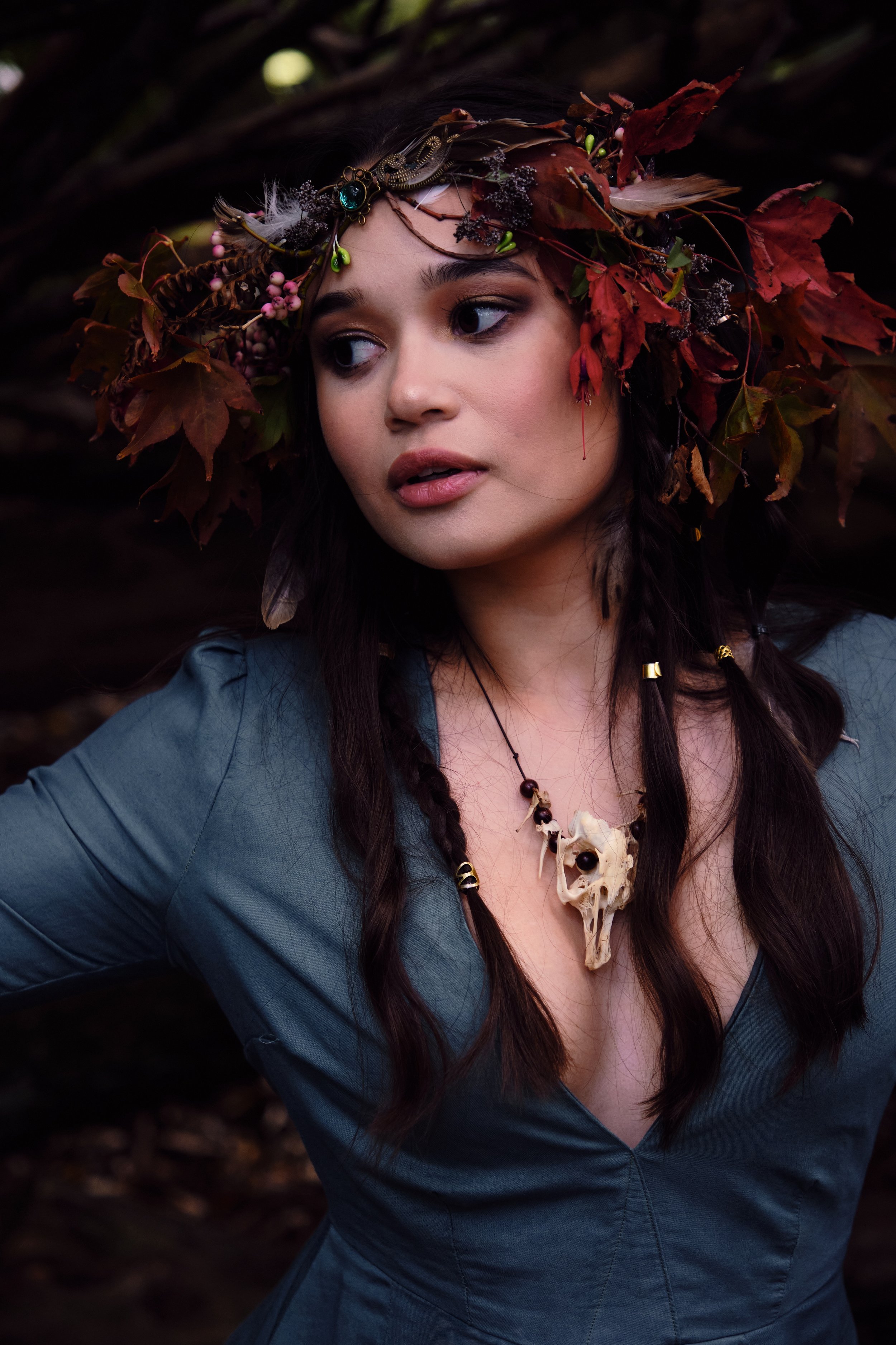
For filmmaker and photographer Andy Lowe, the world of BREAD takes shape through collaboration. The Green Woman brings together photography, floristry and costume in a story rooted in Jersey’s landscape and folklore. Autumnal textures and an enigmatic central figure draw us into a world that feels both familiar and unsettling. In this interview with DARKLY, Lowe shares the creative process behind the project, the people who helped shape it, and the storytelling that connects its cinematic and photographic worlds.
1. Could you introduce yourself to our readers and tell us about your role in BREAD and in creating The Green Woman editorial?
I'm Andy Lowe, an award-winning British writer and director based in Jersey, and the founder of Blackwood House Films. I'm the writer and director of BREAD, as well as the person behind The Green Woman editorial.
I'm drawn to stories that exist somewhere between the beautiful and the disturbing, where folklore, mysticism and the supernatural meet the rawest parts of human nature. With BREAD, I wanted to create something that felt ancient yet intimate, and The Green Woman became an opportunity to explore that world through fashion, floristry and imagery.
2. What first sparked the idea for BREAD, and what drew you to telling this story through folk horror?
I think my voice as a writer and director lives somewhere between the veil of life and death. I'm fascinated by occultism, mysticism, pagan traditions and folklore, but equally by the very human emotions of lust, greed, madness, love and desperation. I'm interested in what happens when those two worlds collide.
At its heart, BREAD begins with something incredibly basic: survival, food, shelter and the instinct to keep ourselves alive. But I wanted to explore how quickly those fundamental needs can become something darker.
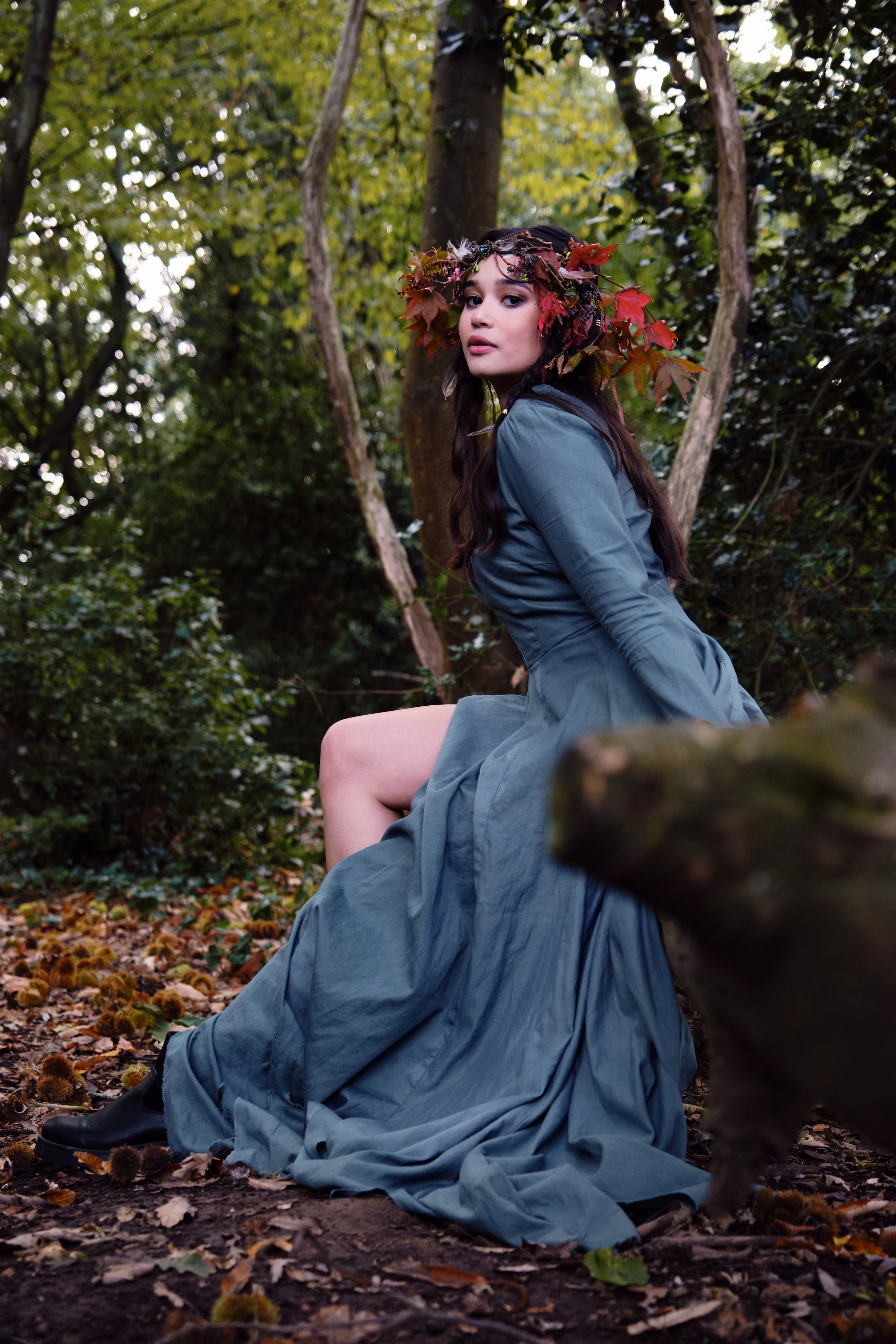
The story evolved considerably during location scouting. I remember seeing a turned-over tree stump in the woodland, and immediately saw it as a woodland throne. That was one of those wonderful moments when a location starts speaking to you as a filmmaker. Suddenly, the landscape wasn't simply a backdrop; it was part of the mythology. The film grew from there.
3. You describe BREAD as a Jersey folk horror. How does Jersey’s landscape, history or folklore influence the world of the film?
Jersey has a very particular atmosphere. You're never far from the coastline, and there's something fascinating about that meeting of land and sea. The island can feel intimate and familiar one moment, then wonderfully isolated and ancient the next. The landscape has a character of its own.
I also wanted the film to feel genuinely rooted in Jersey rather than simply using the island as a picturesque location. One of the most important decisions was that The Green Woman speaks exclusively in Jèrriais, Jersey's traditional language. We've been working with a local linguist to help bring that language into the performance authentically.
For me, that's an especially exciting part of the film. There's a sense that the audience is encountering something that belongs to this place, something that existed long before the characters arrived.
4. Without giving too much away, who is The Green Woman within that world, and how did her visual identity begin to take shape?
Ah, I knew it wouldn't be long before somebody asked me that! And honestly, I think she exists differently in each of our minds, much as we all experience nature differently.
Some people might see her as a pagan deity, an ancient woodland nymph, or simply a woman of the woods. Others might interpret her as something altogether more unsettling. I'm reluctant to define her too precisely because I think the ambiguity is where some of her power lies.
Visually, I wanted her to feel as though she hadn't been designed so much as discovered. The forest, the flowers, the twisted branches, the bones and the stone turret all contribute to her presence. She belongs to that world, rather than appearing to have been placed inside it.
Ultimately, I'll leave it to the audience to decide what she is. I rather like the idea that people might come away from the film with completely different interpretations of her.
5. Beyond her appearance, what did you want the editorial photographs to reveal about her? What did you deliberately leave unexplained?
I wanted the editorial to communicate a sense of timelessness and the quiet, harnessed power of nature. There's something simultaneously beautiful and threatening about the natural world, and I wanted to explore that tension.
Nature has inspired artists, designers, photographers and storytellers for centuries. It can be delicate, generous and breathtaking, but it can also be indifferent, destructive and entirely beyond our control. I wanted The Green Woman to embody that contradiction.
What I've deliberately left unexplained is her intention. Is she benevolent? Malevolent? Is she a guardian, a predator, or something that exists beyond those human distinctions? I think the most interesting characters are often the ones we can't quite categorise.
6. How did costume, makeup, location and lighting come together to create her presence? Is there a particular detail readers should look out for?
Honestly, a little bit of magic! Although, in reality, that magic came from having an exceptionally talented team around me.
Svitlana Muzafarova of MUSE more than flowers brought her floral and set-design artistry to the project; Reese Cousins created The Green Woman's necklace; Michelle Parker worked on the hair styling; and Rachel Maguire made and tailored the enchanting dress. Every contribution helped create a character who feels as though she's grown out of the landscape itself.
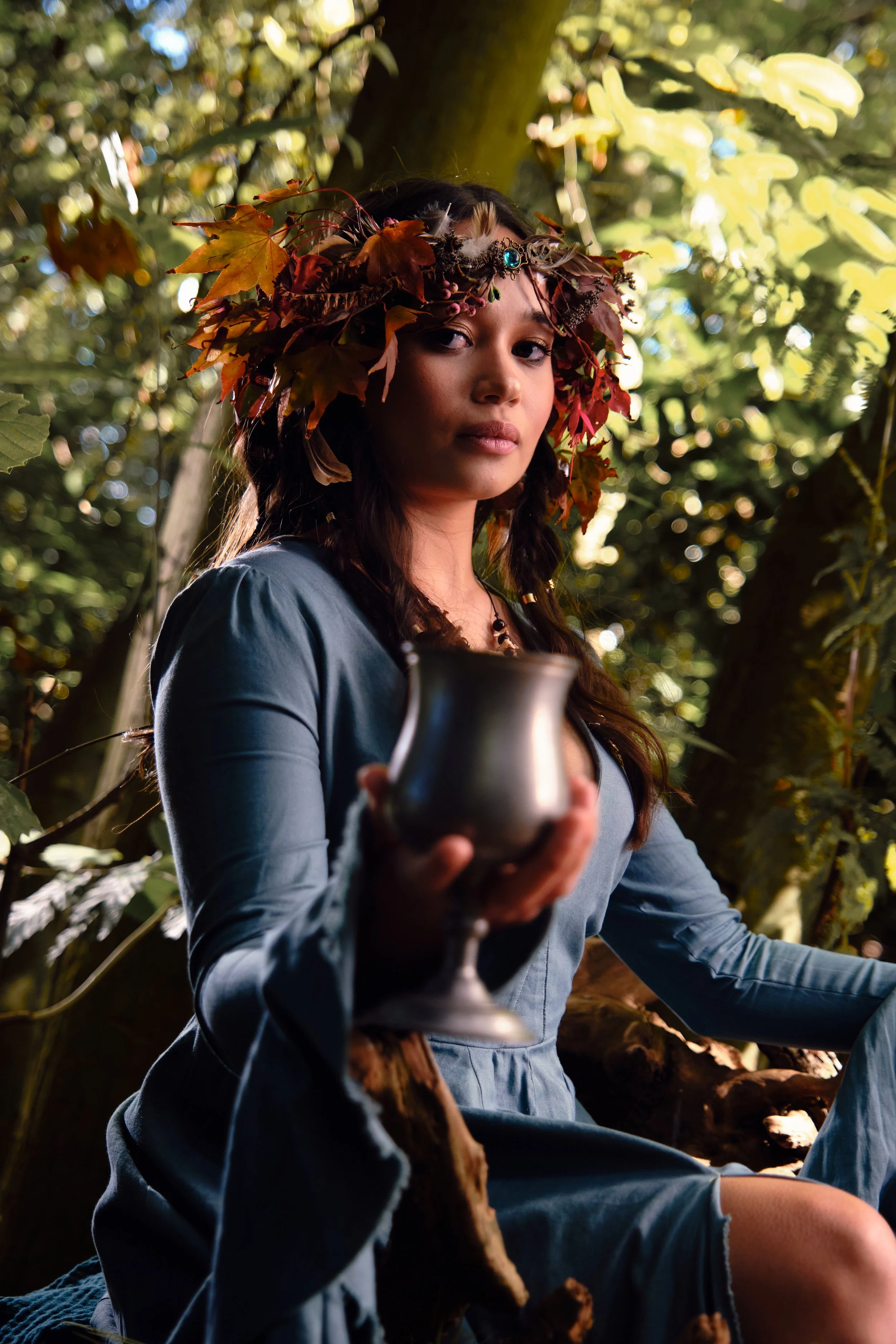
One detail I'd encourage readers to look out for is the necklace. It's made using real animal bones and skulls, with support from Jersey Zoo, which helped us source skulls from a leopard, a small monkey, a horse and a female deer. The necklace has a very particular presence on camera, and it felt entirely right for the character.
I also loved transforming that overturned tree stump into a throne. It's a good example of how we approached the entire visual world: rather than building something elaborate from scratch, we looked at what nature had already given us and found the mythology within it.
7. How were the editorial photographs created in relation to the film shoot? What guided your selection of images that could tell a story on their own, before readers see BREAD?
We wanted to make the fullest possible use of the location. The fallen trees, twisted branches, woodland textures and stone turret all offered so much visually, and it seemed a shame not to explore them beyond their immediate use in the film.
The editorial became a way of extending the world of BREAD into a different creative medium. Rather than simply taking conventional promotional photographs, we wanted images that could stand alone as fashion and fine-art photography, while still feeling as though they belonged to the same unsettling universe.
I was interested in photographs that might make someone pause and wonder what they'd stumbled across. You don't necessarily need to know the story to feel that something is happening just beyond the frame. If the images spark that curiosity, then I think we've done our job.
8. How did the cast and creative team contribute to The Green Woman? Were there any ideas or unexpected moments of collaboration that changed your original vision?
Film is an incredibly collaborative medium, and The Green Woman is a wonderful example of what can happen when talented people bring their own ideas and skills to a shared vision.
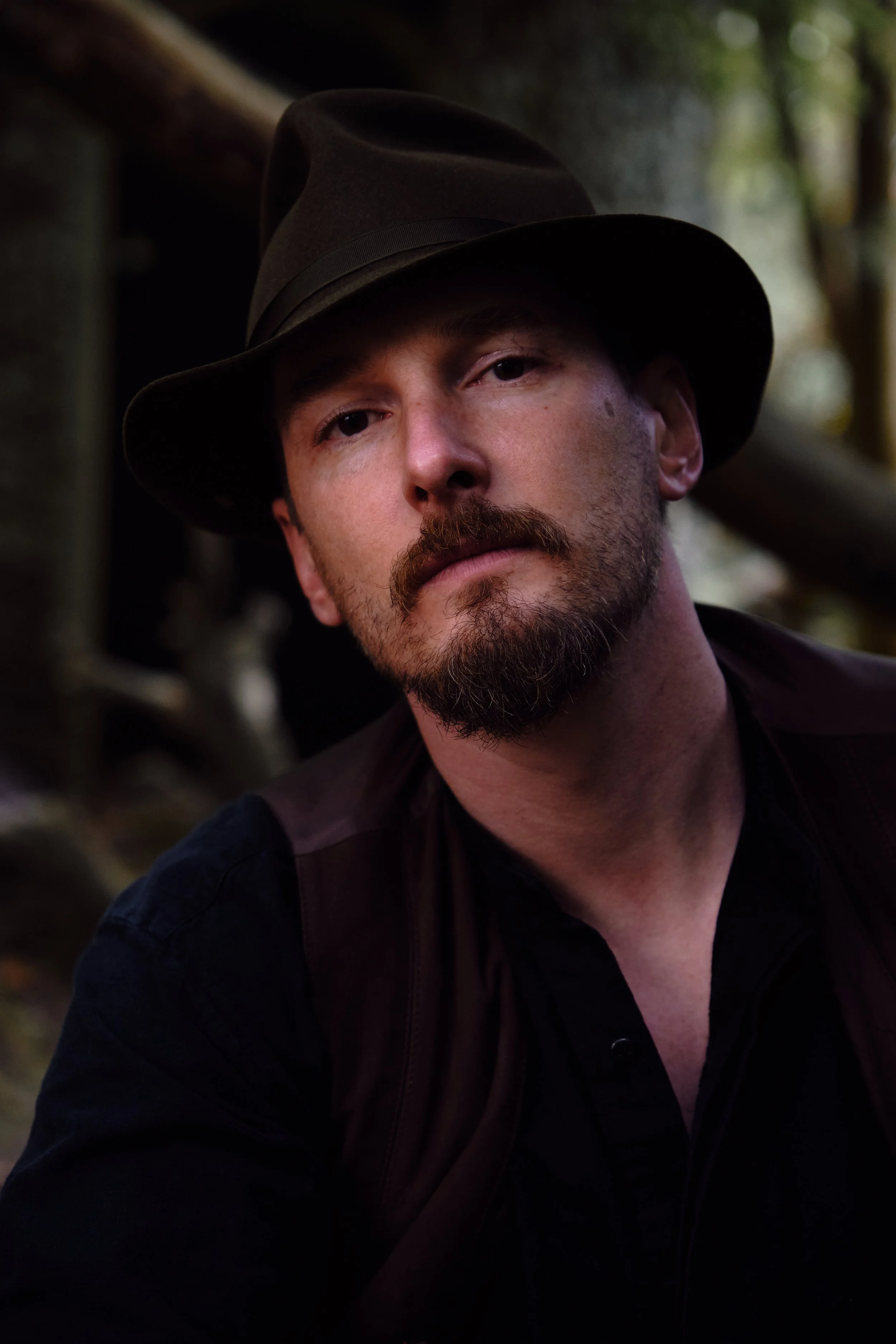
For a short film, we had around sixteen people working on set for her scenes, from costume and makeup to floristry, props, camera and the wider crew. There's a tremendous amount of work behind what might ultimately be only a few minutes on screen.
Jennifer Frawley, who plays The Green Woman, was a particularly exciting discovery. Her natural screen presence came through in her audition tape and immediately caught my eye. This is her debut film performance, and she's embraced the character with real commitment, including learning Jèrriais with the guidance of a local linguist.
The creative team helped make the character feel organic. The flowers, the necklace, the dress, the hair and the location all contribute something different. What I love most is that no single element is responsible for The Green Woman's presence; she emerges from the combination of all of them.
9. Looking behind the scenes, what was the greatest creative or practical challenge you faced, and how did the team overcome it?
Without question, the weather!
When you're filming outdoors in Jersey, you're very much at the mercy of the elements. Almost anything is manageable, but rain can change everything very quickly. It threatens equipment, turns the ground several shades darker, affects continuity and can be particularly unforgiving when you're working with flowers that have only been out of water for a few hours.
We had to be constantly aware of the conditions and ready to adapt. There is something rather fitting about making a folk-horror film in the woodland and being reminded that nature is entirely indifferent to your shooting schedule!
Ultimately, filmmaking requires a certain amount of surrender. You plan, prepare and do everything you can to control the variables, but sometimes you have to work with what the day gives you. Having an awesome team around me made all the difference.
10. Now that principal photography has wrapped, what comes next for BREAD, and what do you hope DARKLY readers will take away from their first encounter with The Green Woman?
We're now moving into post-production, and we're also in early discussions about the possibility of holding the film's world premiere here in Jersey before embarking on its festival run. I love the idea of bringing the film home first, particularly because the island and its creative community have been so integral to making it.
Beyond that, I'm excited to continue exploring the world of BREAD through its imagery, editorial collaborations and the people who helped bring it to life. There's so much creative talent involved, and I want the film's journey to celebrate that as much as the finished work itself.
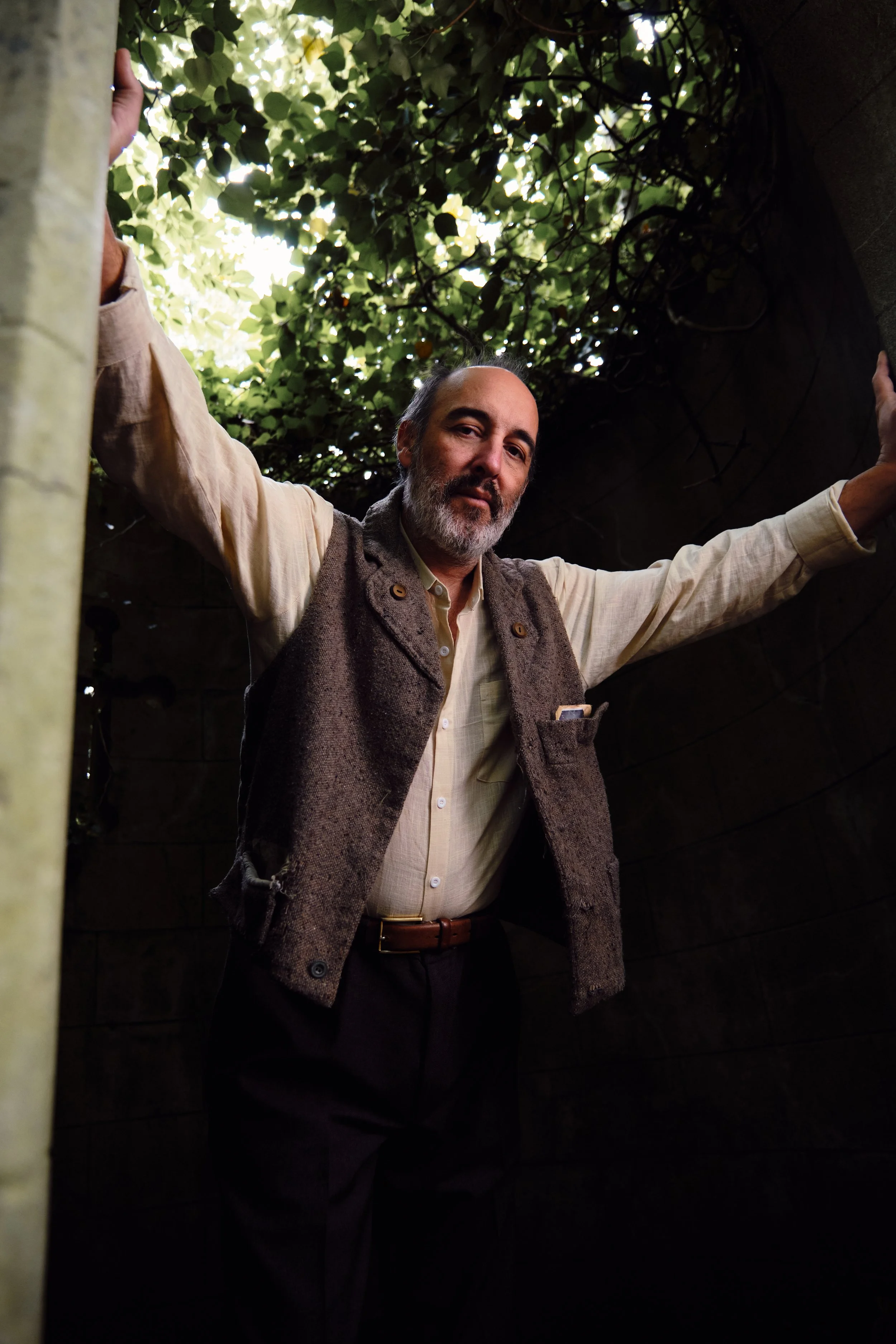
As for what I hope DARKLY readers take away from The Green Woman, I'd like them to feel intrigued, perhaps a little inspired, and curious about what lies beyond the images. If they find themselves wondering who she is, what she wants, or whether they'd dare follow her into the woods, then I'll be very happy. You can find me on instagram at Blackwood House Films to continue the journey.
After all, some things are far more interesting when they're left unexplained.
Our thanks to Andy Lowe for sharing the vision and collaborative work behind BREAD and The Green Woman. His reflections reveal the care that goes into building a world through its characters, locations and visual details, and the importance of the artists who bring those elements together. The result invites us to look beyond the individual photograph and imagine the story continuing outside its frame.
Accessory Designer: Reese Cousins @mossyrc_
Male Model: Al Barclay @Charkham Associates @alecsparkly
Wardrobe Stylist: Rachel Maguire @rachelm47
Model: Andy Lowe @blackwoodhousefilms
Photographer: Will Jack Robinson @willjackdp
Fashion Designer/Set Designer: Svitlana Muzafarova @muse.morethanflowers
Photographer: Andy Lowe @blackwoodhousefilms
Filmmaker: Andy Lowe @blackwoodhousefilms
Female Model: Jennifer Frawley @jennifer.frawleyyy
Hair Stylist: Michelle Parker
