


Christos Charanas
Christos Charanas’ journey into photography is as unique as the images he creates. Before stepping into the world of portraiture and editorial photography, he spent years observing landscapes, horizons, silence, and atmosphere through his camera — all while building a life at sea as a Mariner Captain. Without formal photography seminars or prior knowledge, his path began through instinct, curiosity, and a deep emotional connection to the world around him.
Only two and a half years ago, Christos photographed a person for the first time, opening a new chapter in his creative life. Since then, his work has evolved into something cinematic, emotional, and deeply atmospheric. For him, photography is not simply a profession or a skill — it is passion, love, and a way of understanding people, places, and unspoken stories. In this interview, Christos shares his creative journey, his inspirations, and the emotional vision behind his growing photographic world.
Interview
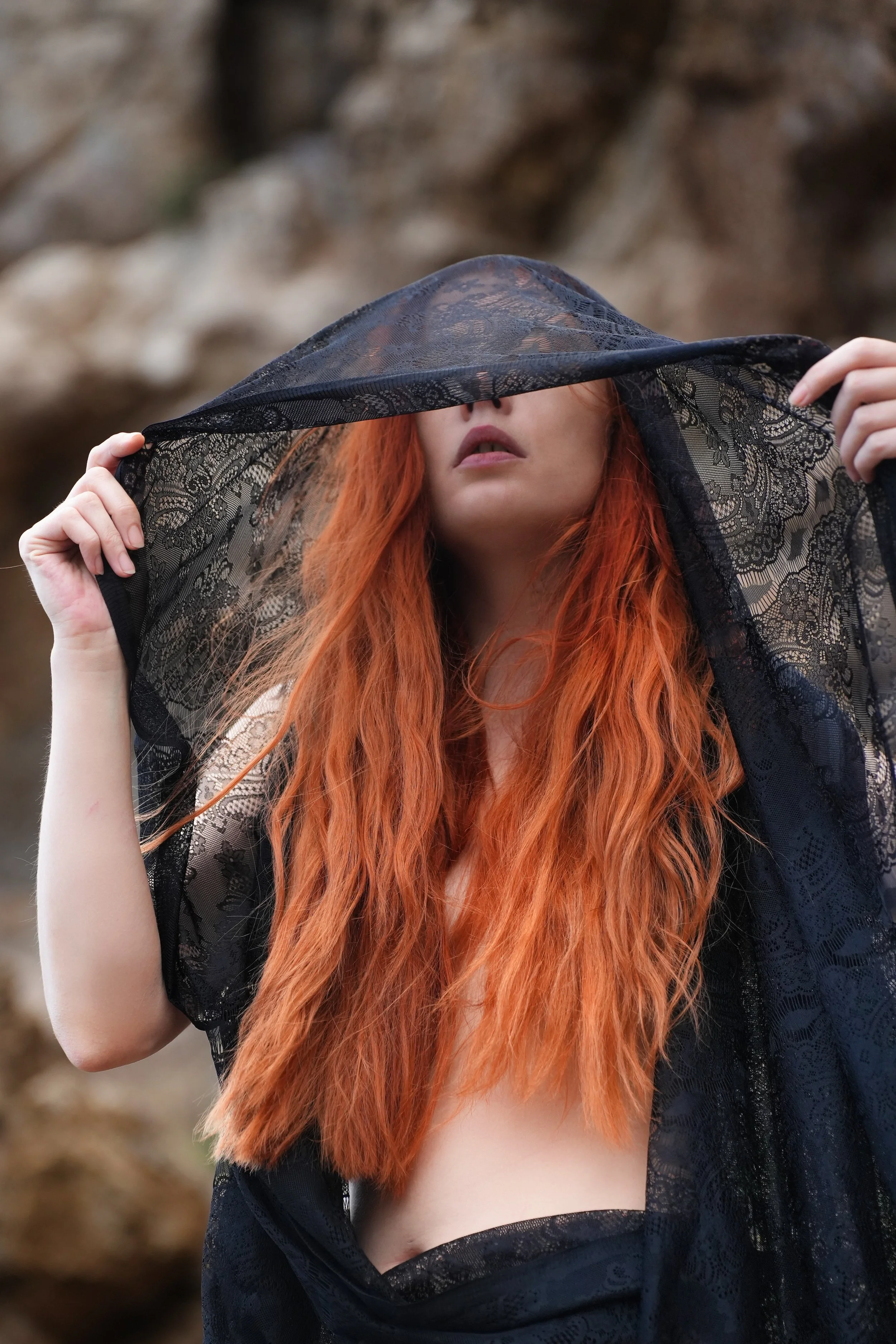
Christos Charanas’ journey into photography is as unique as the images he creates. Before stepping into the world of portraiture and editorial photography, he spent years observing landscapes, horizons, silence, and atmosphere through his camera — all while building a life at sea as a Mariner Captain. Without formal photography seminars or prior knowledge, his path began through instinct, curiosity, and a deep emotional connection to the world around him.
Only two and a half years ago, Christos photographed a person for the first time, opening a new chapter in his creative life. Since then, his work has evolved into something cinematic, emotional, and deeply atmospheric. For him, photography is not simply a profession or a skill — it is passion, love, and a way of understanding people, places, and unspoken stories. In this interview, Christos shares his creative journey, his inspirations, and the emotional vision behind his growing photographic world.
1. How did your journey into photography begin, and what first inspired you to pick up a camera?
Photography started as a way to observe the world more deeply. Working for years at sea, surrounded by isolation, changing horizons, and long periods away from home, I became more aware of silence, emotion, and the stories people carry without speaking. Picking up a camera felt natural, almost like collecting moments that would otherwise disappear.
I began around five years ago, without any formal photography knowledge or seminars, photographing landscapes and learning through observation, instinct, and passion. Only two and a half years ago, I had my first photoshoot with a person, which opened a completely new world for me creatively.
What began as curiosity slowly became a need to create images that feel honest, atmospheric, and emotionally charged. My main profession is Mariner Captain, but photography is my passion and my love. In many ways, I feel I live between both worlds.
2. How would you describe your artistic style and the atmosphere you aim to create in your work?
I would describe my style as cinematic, emotional, and slightly dark. I am drawn to images that feel quiet but intense at the same time.
I often search for a balance between vulnerability and strength. Whether I photograph fashion, portraits, or conceptual work, I want the viewer to feel something before understanding the image intellectually.
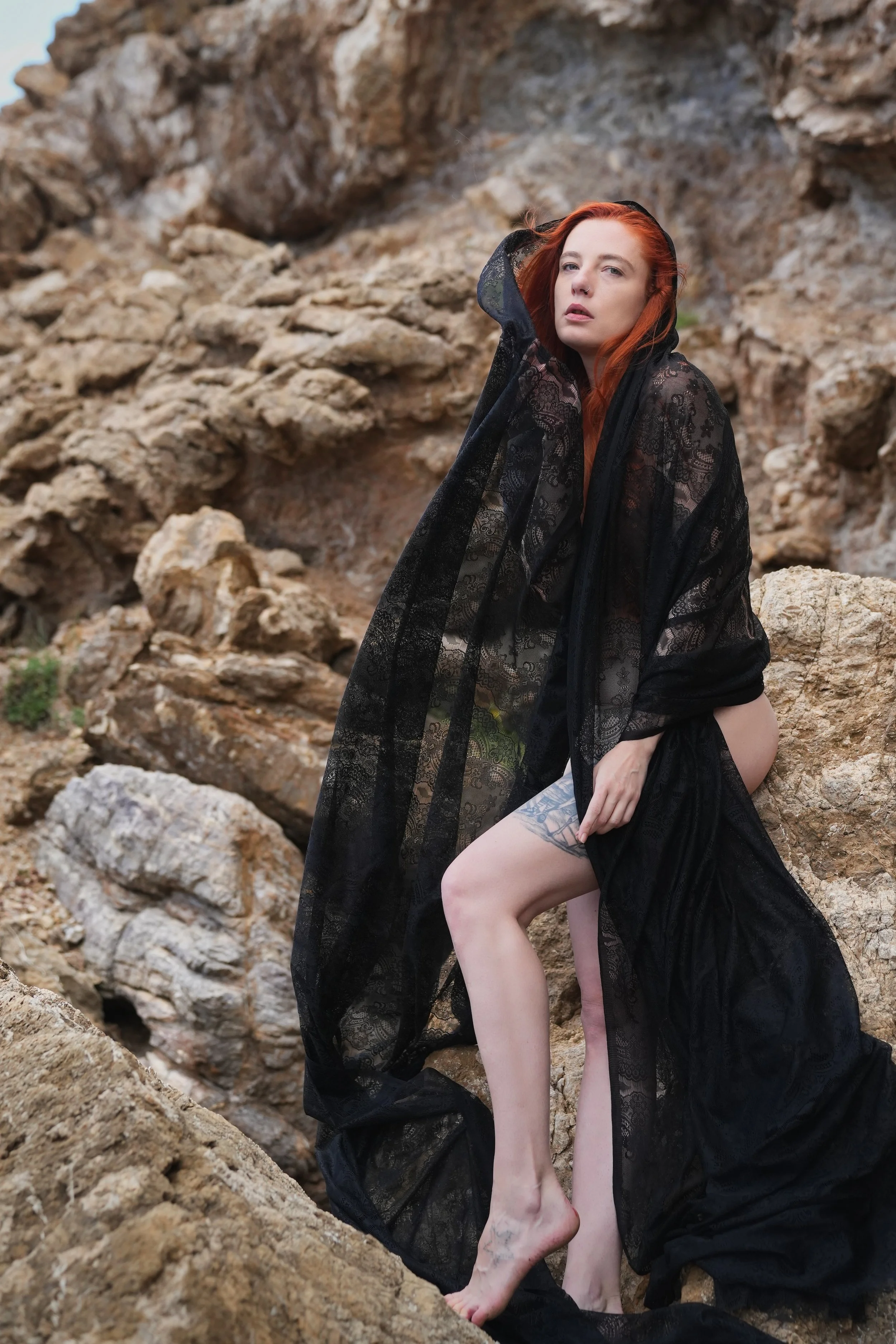
Atmosphere is very important to me — mystery, tension, softness, nostalgia, and sometimes discomfort.
3. What inspires you the most when developing concepts for your editorials or photo series?
Inspiration usually comes from emotions rather than trends. Memory, loneliness, mythology, nature, human desire, identity, and personal experiences often become the starting point.
Living between the sea and places like Samothrace, Greece, has also influenced how I see isolation, freedom, and transformation.
Sometimes a project starts with a single feeling, and the visual world builds around it.
4. Do you prefer working with natural emotion and spontaneity, or carefully planned visual storytelling?
I think the strongest work exists somewhere between both.
I usually build a concept, mood, or emotional direction before the shoot, but I leave space for spontaneity. Unexpected expressions, movement, or silence often become the most powerful moments.
I don’t want people to simply pose. I want them to exist within the image.
5. How important are fashion, styling, and location in shaping the final mood of your images?
They are essential.
Styling, textures, jewelry, fabric, makeup, and location all contribute to storytelling. Even small details can completely change the emotional weight of an image.
However, I believe atmosphere comes first. Beautiful styling without emotion rarely stays memorable.
6. What has been one of your most memorable or challenging photoshoots so far, and why?
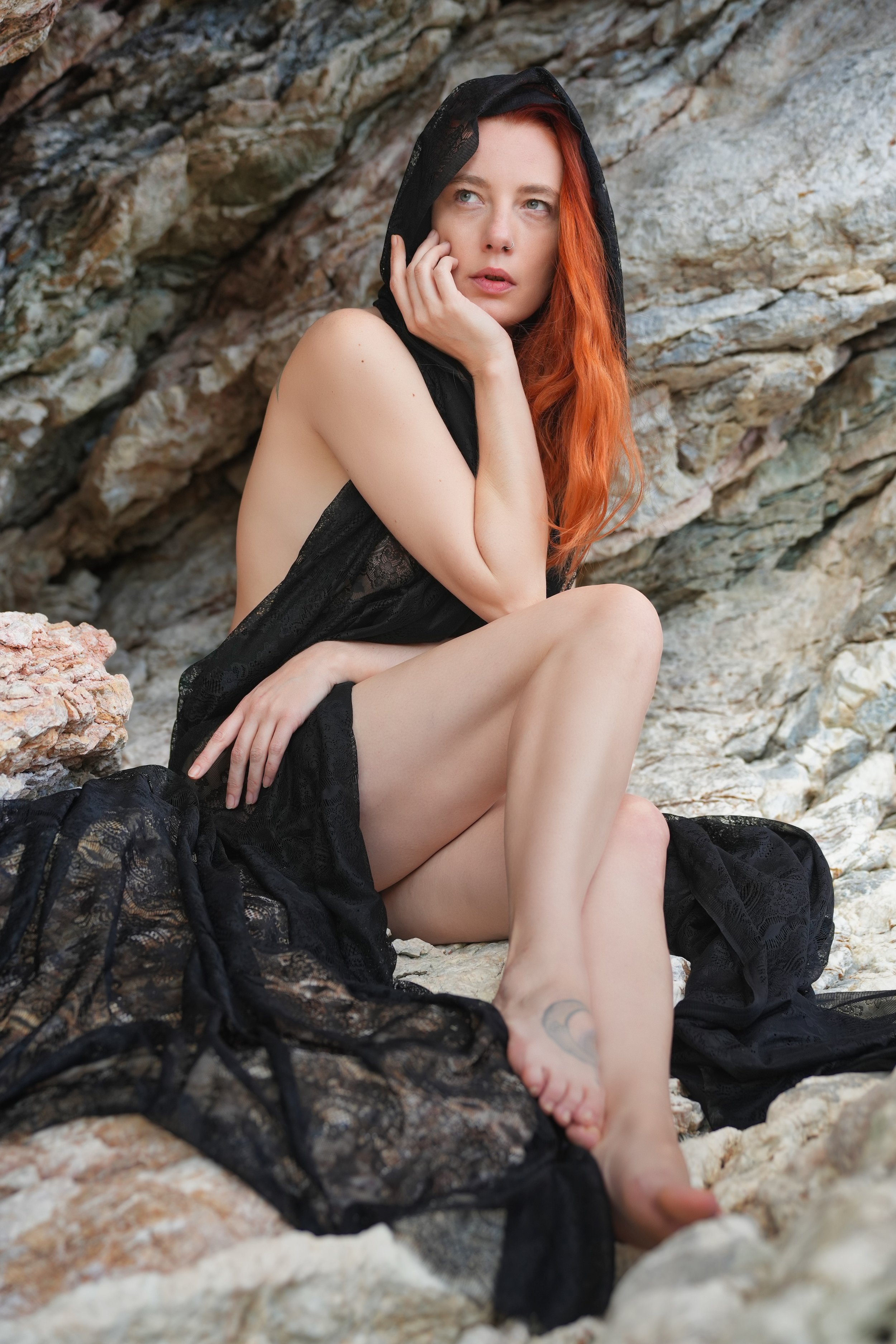
Some of the most challenging shoots were not technically difficult but emotionally demanding — projects where trust, vulnerability, or strong concepts were involved.
I remember realizing that photography is often less about equipment and more about creating an environment where people feel safe enough to reveal something real.
Those moments stay with me longer than perfect lighting setups.
7. How do you build trust and connection with models or creative teams during a shoot?
I try to create calmness.
I speak openly, listen, avoid pressure, and treat collaboration as something shared rather than directed. Trust usually appears when people stop feeling judged.
The best images often happen when someone forgets they are being photographed.
8. Are there any photographers, artists, films, or creative movements that have influenced your visual world?
I am influenced by cinematic storytelling, fashion editorials, and creators who use atmosphere strongly.
I admire work that combines beauty with imperfection and emotion with silence. Beyond photography itself, nature, mythology, music, and human psychology have shaped my visual language.
I often find inspiration outside traditional photography.
9. What do you think makes an image truly powerful or unforgettable?
Emotion.
Technical perfection alone rarely makes an image unforgettable. An image becomes powerful when it creates a feeling the viewer remembers long after seeing it.
Sometimes beauty attracts attention, but honesty leaves a mark.
10. What are your goals and dreams for the future of your photography career?
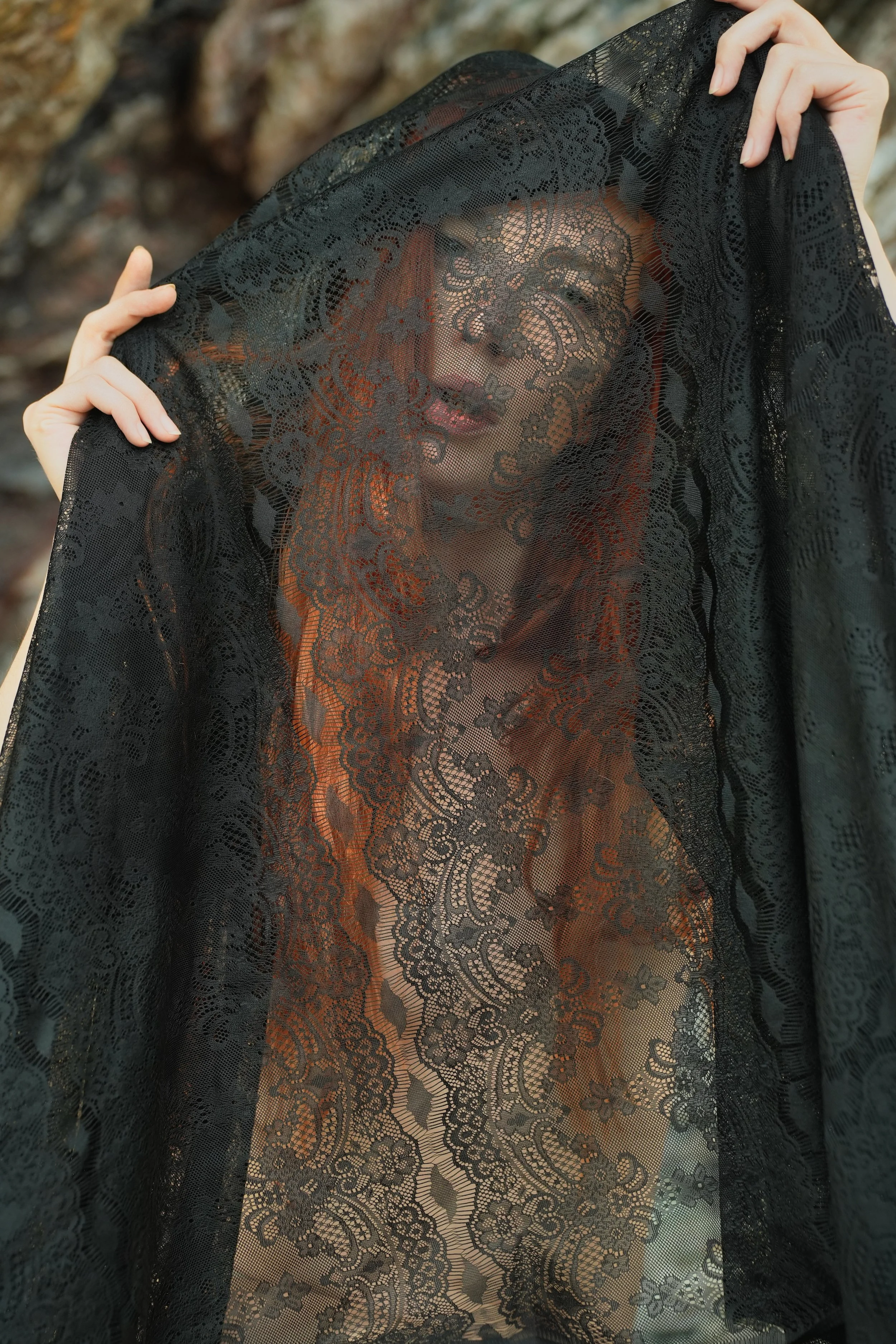
I want to continue building work with stronger artistic identity and collaborate internationally with magazines, brands, and creative people who value storytelling.
Beyond publications or recognition, my goal is to create images that remain meaningful over time — work that people remember because it made them feel something.
I also hope photography becomes a larger part of my life, not only professionally but as a way of understanding people and experiences.
Christos Charanas’ story is a reminder that powerful artistry does not always begin in classrooms or studios. Sometimes it begins quietly, with a camera, a landscape, a life filled with distant horizons, and the desire to preserve what words cannot fully express. His background as a Mariner Captain brings a rare depth to his photography — a sensitivity to solitude, movement, emotion, and the silent beauty of passing moments.
In only a few years, Christos has transformed a personal passion into a visual language marked by atmosphere, honesty, and feeling. His work proves that photography is not only about technique, but about connection — with the subject, with the viewer, and with the invisible story behind each image. As he continues to grow, collaborate, and shape his artistic identity, Christos stands as a creator driven by love for the craft and by the desire to make images that stay in the heart long after they are seen.
Photo: @chris_chrns
Model: @giulietta_kotsyurko
Via @officialkavyar