

Earnest Joseph Odom
Photographer: Earnest Joseph Odom
@evrnest
Assistant: Tony De La Rosa
@tonythedirector
Model: Kira Waszak
@the_official_crimson_rose
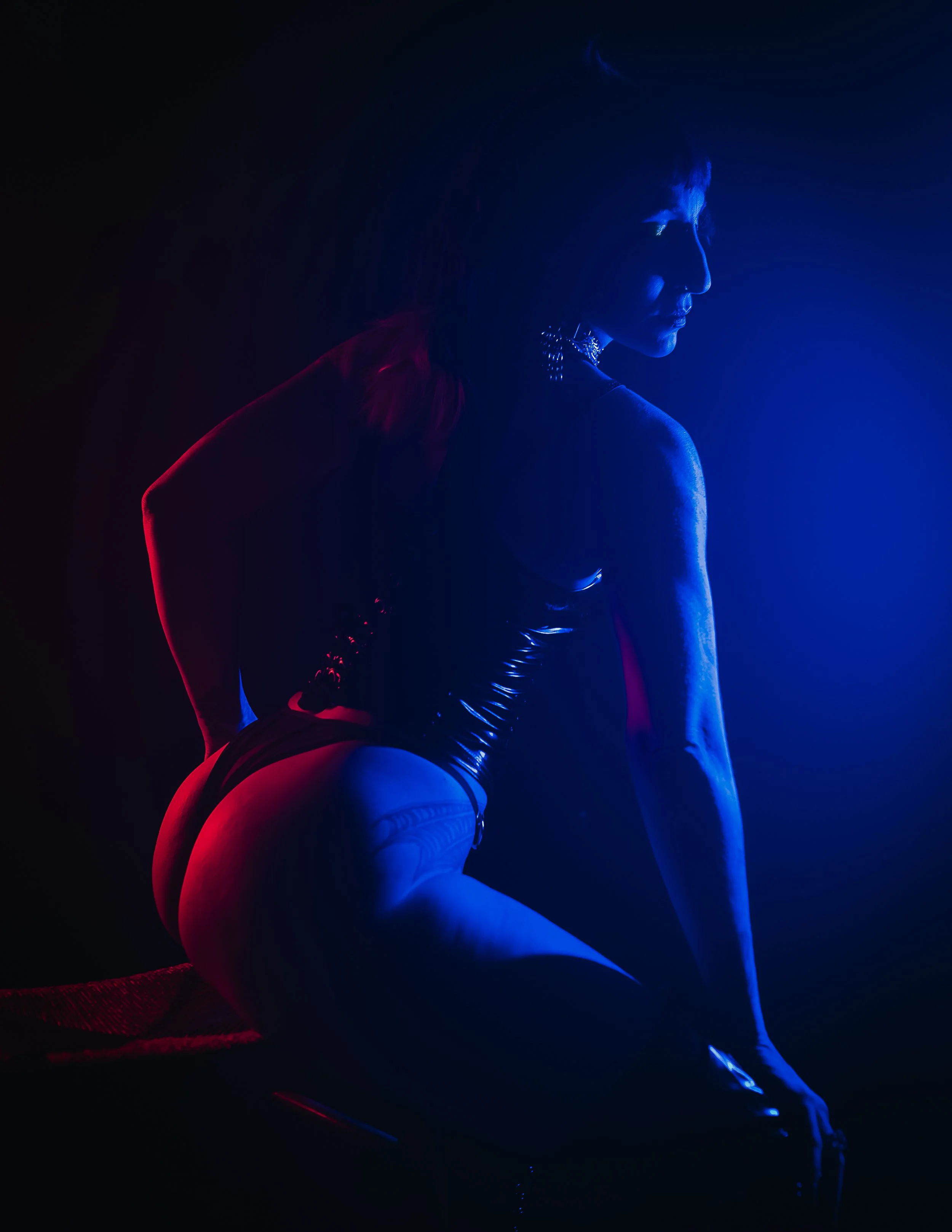
Earnest Joseph Odom approaches photography as both an act of preservation and transformation. Grounded in personal history and shaped by collaboration, his work explores portraiture as a space where emotion, identity, and imagination intersect. With a growing pull toward dark, cinematic, and conceptual imagery, Earnest’s photographs feel intimate yet expansive—inviting viewers to look closer, linger longer, and question what lies beneath the surface. His journey reflects not only artistic evolution, but resilience, intention, and a deep commitment to creating meaningful visual narratives.
1. How did your journey into photography begin, and what initially drew you to the medium?
My journey with photography started with disposable cameras. I’d always use up what’s left of the roll taking random snaps throughout my day as a navy brat living in Yokosuka, Japan. Even if the camera was out, I’d still pretend to take pictures. Photography was always a part of my life in some capacity—from disposables, to digicams, to getting my first DSLR after I graduated high school and learning digital photography in college.
As a child, I think I just enjoyed the thought of a moment being documented when you press the shutter. As an adult now, I see photography as a magical opportunity to freeze time by capturing and composing light into visual pieces. What initially drew me further into photography was learning what the craft could expose me to, and harnessing those experiences to grow myself and the things I care about.
2. How would you describe your visual style, and how has it evolved over time?
I’m a portrait photographer, as simply as you can put it. My style consists of photographing people and what they have—and want—to show. Sometimes I have a story to tell, sometimes my models have a look they want to display, and sometimes collaborators bring a vision they want to materialize. I use what I know to bring those ideas to visual life.
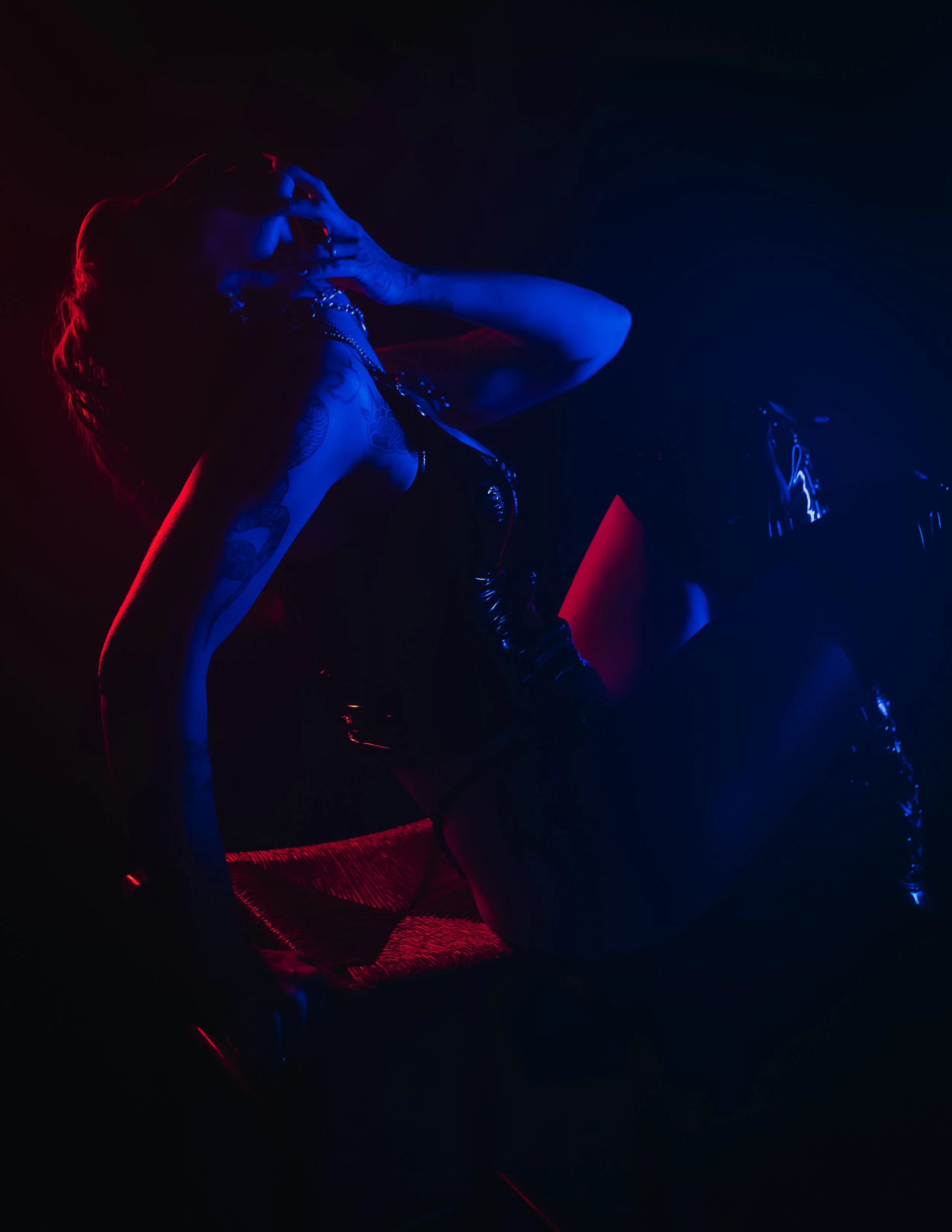
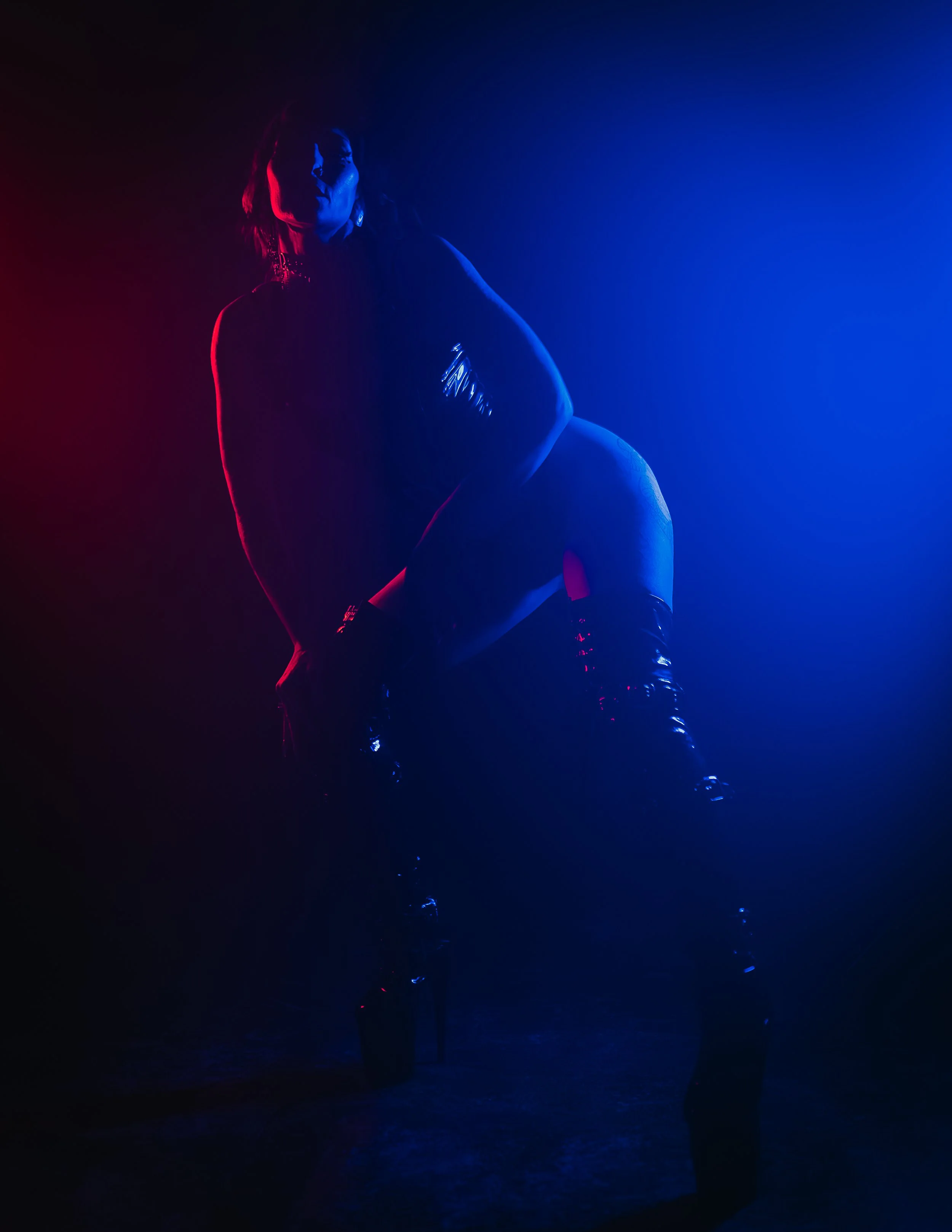
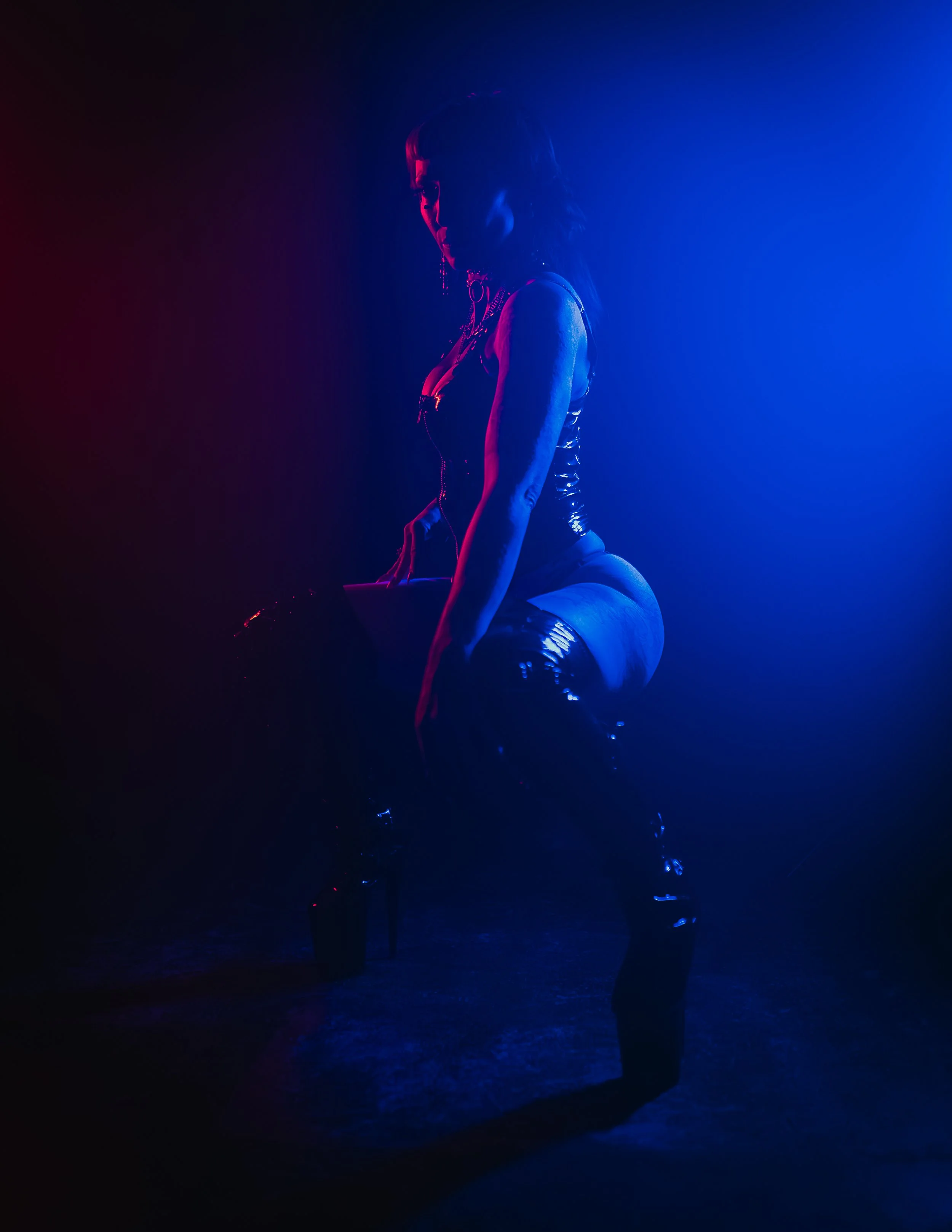
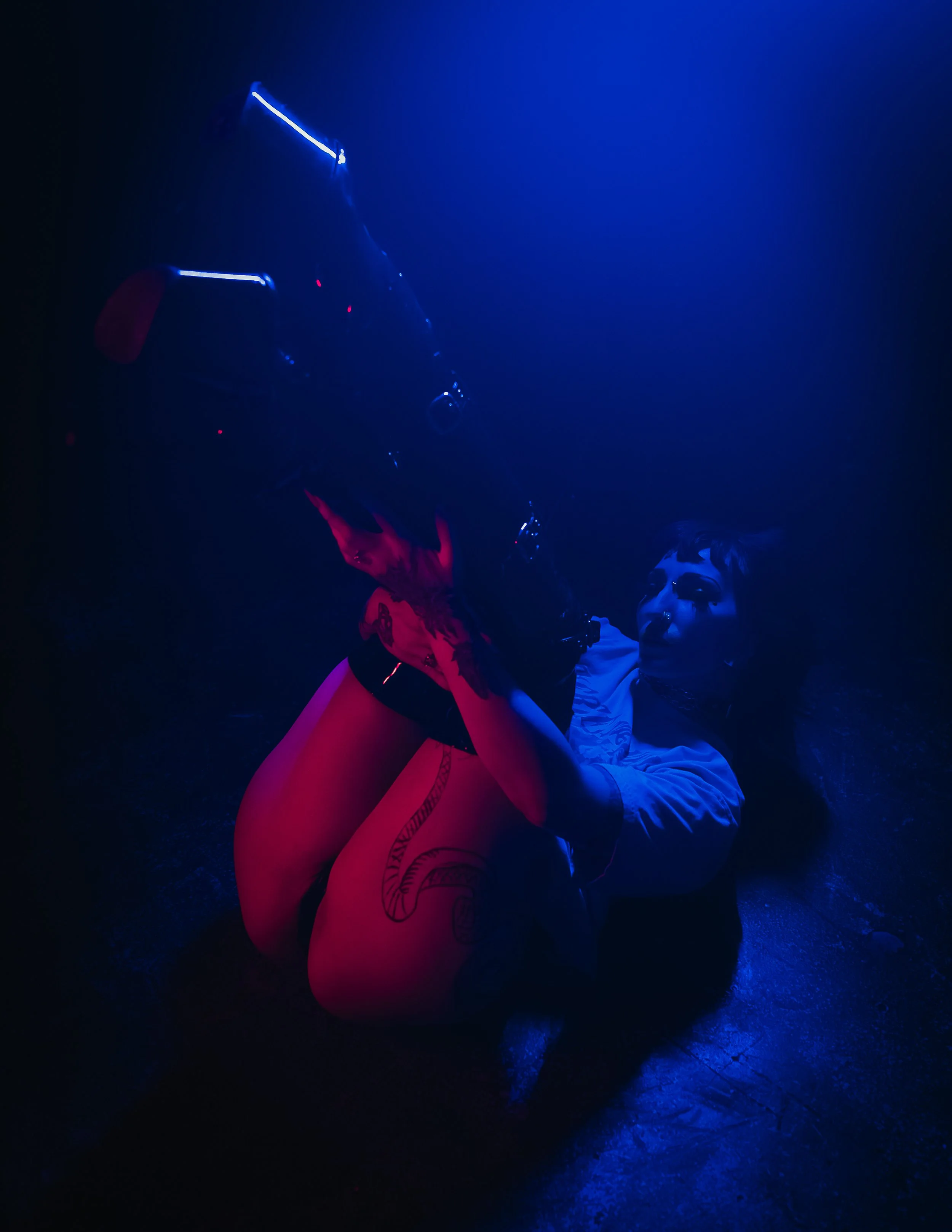
We get better as we go. What I truly want to do full-time is dark, low-key, conceptual cinematic portraits—think fully finalized concept art you’d find in behind-the-scenes pre-production material for sci-fi, fantasy, dark thriller, or arthouse films.
3. What themes or emotions do you find yourself repeatedly exploring through your work?
Lately, I’ve been enjoying darker, slightly fantastical vibes in my portraits. When I put ideas together, I ask myself, “How can I make this feel not of this world without being too obvious?” I don’t associate these looks with negativity, but with deeper emotions instead.
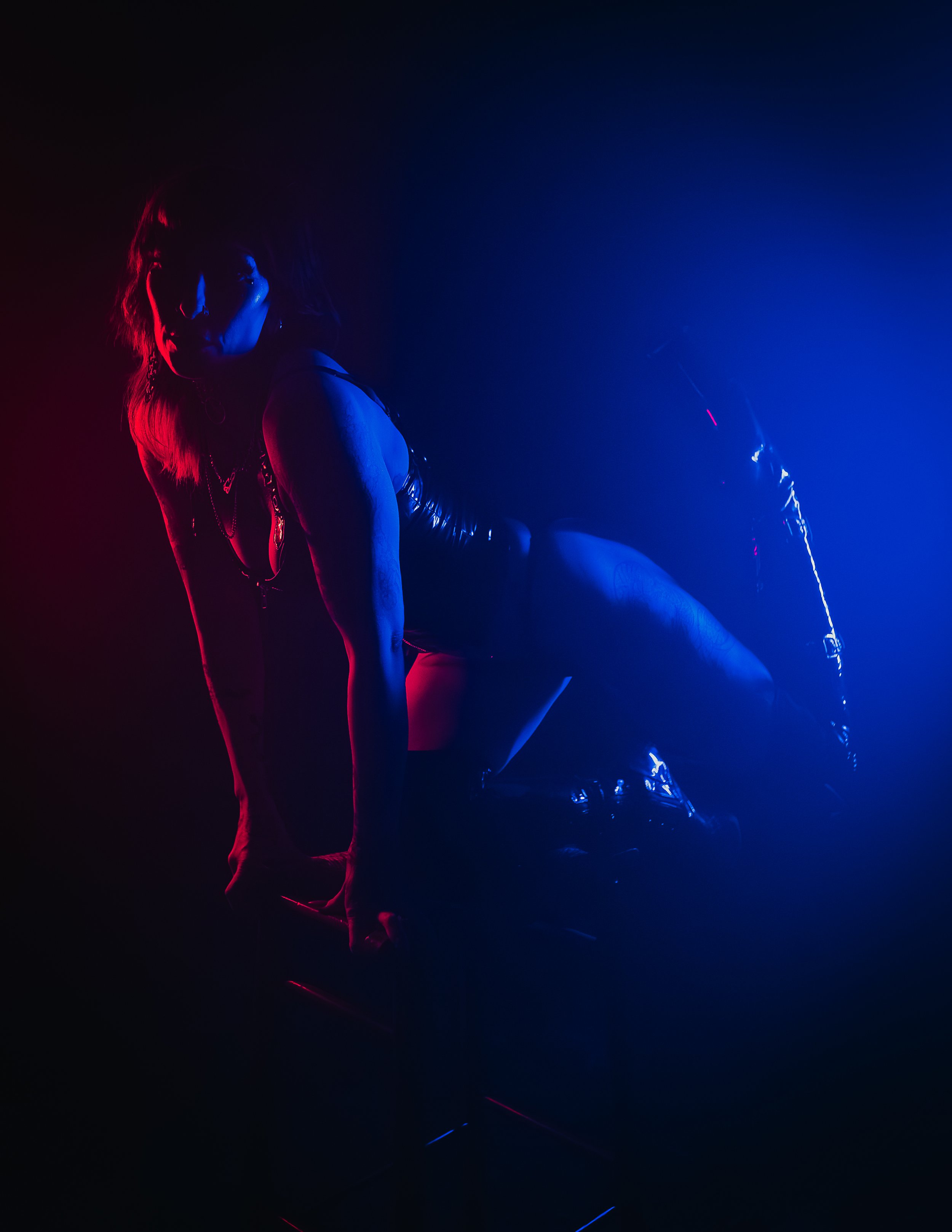
Questions like “What’s in the shadows?” or “What feelings are hidden underneath?” are what I want viewers to ask when they see my work.
4. Which subjects or types of shoots make you feel most creatively alive, and why?
Having my own venue in Lakeland, Florida has been huge for me creatively. Professionally, I do a lot of branding work and event coverage, where I’m often at the mercy of the environment. That can be challenging.
Being able to dive into studio work has made me feel like the possibilities are endless—as long as I can afford it. Having control over my creative space is what makes me feel the most alive creatively.
5. How do you approach storytelling within a single image or a full series?
I take two approaches: either I create a production plan based on the needs of a concept, or I let things happen naturally.
Production planning is something I learned in the video world and have been applying loosely to photography. If a project requires specific talent or logistics, planning ensures we’re focused and respectful of everyone’s time. That said, some of my best work comes from sessions that feel more like meet-ups with other creatives—where we build something together in the moment.
Being flexible with both approaches gives me more opportunities to create meaningful art.
6. What role does collaboration play when working with models, stylists, or designers?
To me, collaboration is everything. I can confidently say it’s a major reason I’ve had any success in photography. My models, stylists, designers, assistants, and crew are collaborators in everything I do.
I understand my role as photographer, videographer, or director, but it’s just as important that my team feels heard, secure, and empowered. My photography journey has never been a solo one.
7. Has there been a particular project or moment that significantly shaped your career or artistic direction?
Most recently, my EVE photo series lit a fire under me to truly get my name out there. Before that, THE TOWER—a series I shot in 2025—was deeply emotional. It came after a relentless series of low moments in my life and allowed me to prove to myself that I could heal and rebuild into a stronger artist and person.
An honorary mention goes to a photo series I did with my wife, Kaley. That impromptu living-room shoot revitalized my passion when I was at my lowest and considering never picking up a camera again. If that session hadn’t happened, I probably wouldn’t be photographing today.
8. How do you balance technical precision with emotion and instinct while shooting?
Technical precision should be trained until it becomes instinctual. The more you master focus, exposure, composition, and light, the more space you create for emotion and storytelling.
Learning the hard rules gives you the freedom to bend—or even break—them in order to make more effective art.
9. What challenges have you faced in the industry, and how have they influenced your growth as a photographer?
I live in a city with small-town vibes and big-city energy in Central Florida. As a mixed Black, Asian, and Pacific Islander man, trying to push creative boundaries here hasn’t been easy. The local creative infrastructure isn’t where it needs to be, and sustaining momentum is difficult.
On top of that, I’m also a bar and venue owner. Balancing authority, community building, photography, and family—especially after becoming a father twice—has been incredibly challenging. But I’m driven to be more intentional, more focused, and better in both my craft and my responsibilities. I have something to show, and I want it to be seen.
10. What are you currently working on, and what can we expect from you in the next chapter of your creative journey?
I’m continuing to build my venue, The Barter Box in Lakeland, into a space that supports creativity—adding photo and video production amenities while expanding music performances and events.
I come from both video and music backgrounds, and I’m eager to bring those worlds together again. I see more collaborations ahead, more conceptual work, and explorations into short films, music videos, and promotional pieces. Ideally, one project will lead to another, and I’ll continue building creative spaces both within my city and beyond it.
Conclusion
Earnest Joseph Odom’s work is a reflection of persistence, collaboration, and quiet transformation. Through controlled environments and spontaneous creation alike, he continues to shape imagery that feels intentional, cinematic, and emotionally resonant. As his practice expands across disciplines and formats, his commitment to community, storytelling, and creative growth remains unwavering—marking the beginning of a powerful and purpose-driven next chapter.