

IAN McANERIN INTERVIEW
IAN McANERIN
SOVEREIGN ALLURE
Ian McAnerin’s photography exists at the captivating intersection of technical precision, emotional intelligence and refined sensuality. Through the visual language he calls “Sovereign Allure,” he creates editorial portraits that celebrate mature women rediscovering their confidence, presence and individuality—somewhere between sophisticated glamour and intimate boudoir.
Originally drawn to travel, nature and documentary imagery, Ian discovered a deeper creative purpose through working with models. Photography became more than the pursuit of a beautiful image; it became an exchange of ideas, trust and human connection. Whether exploring dramatic chiaroscuro, constructing a fantasy-inspired world or translating the beginnings of an idea into a fully realised editorial, he approaches every shoot as a genuine collaboration.
In this interview, Ian McAnerin discusses the evolution of his work, the importance of professionalism and communication on set, and the creative challenges that continue to push his artistry forward.
How would you describe your photographic style, and what makes your work distinctive?
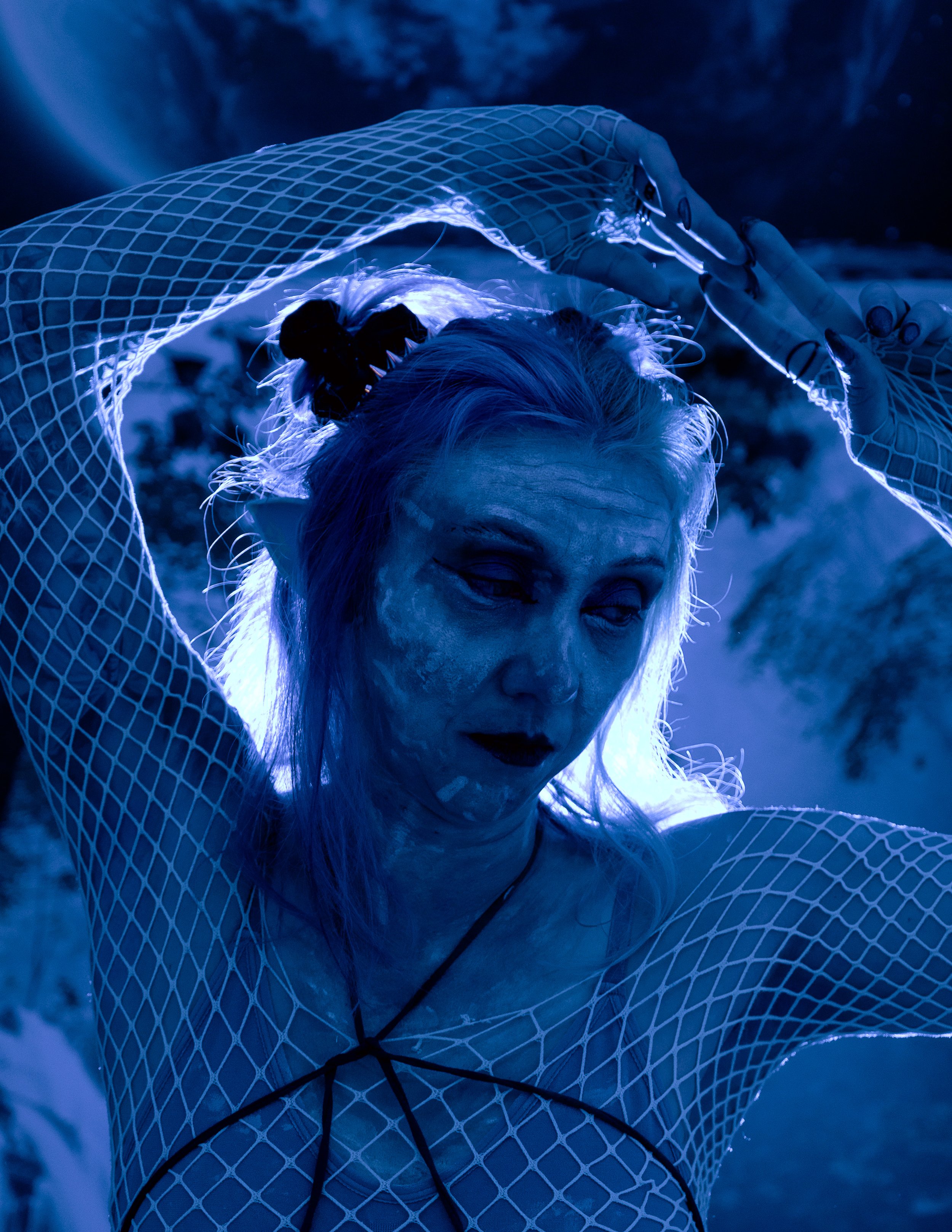
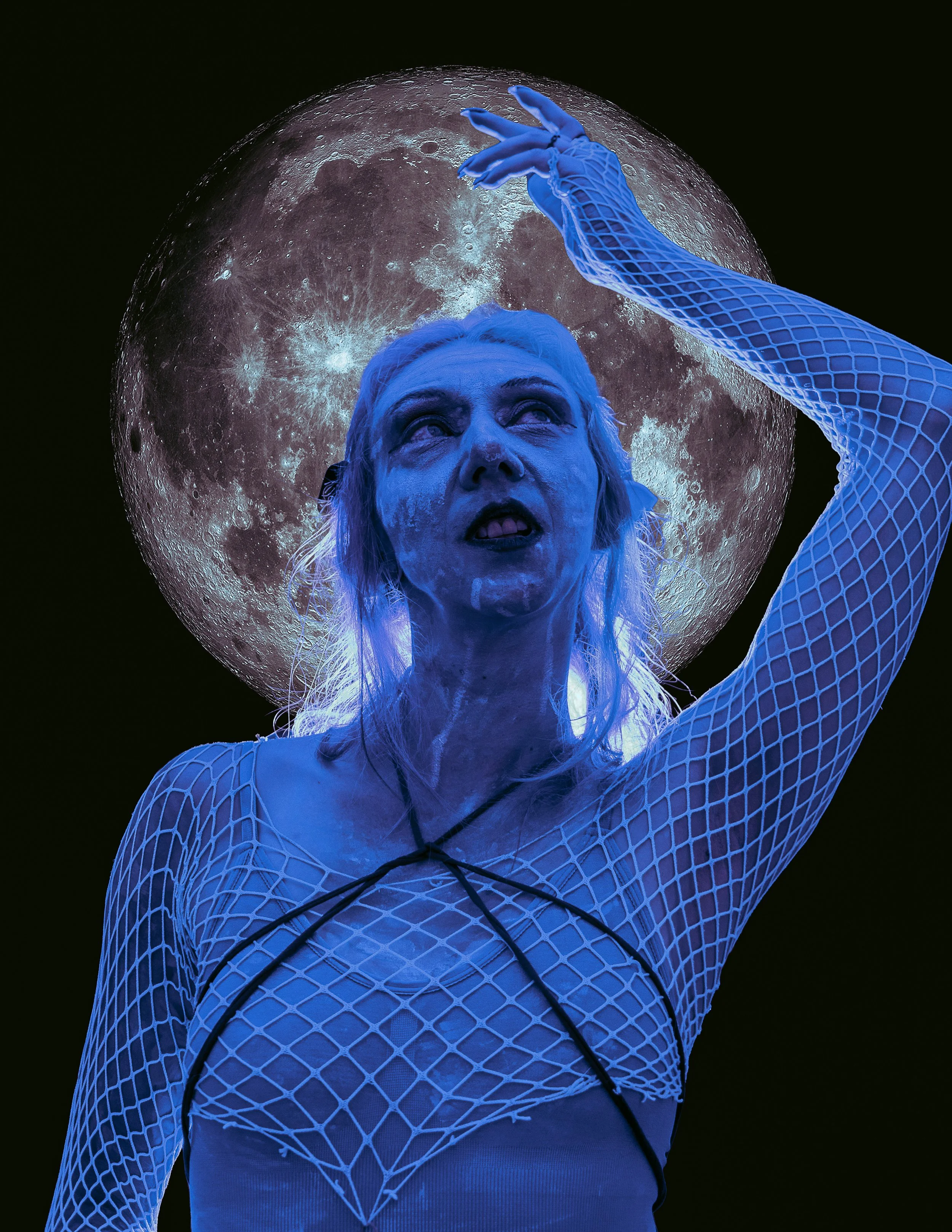
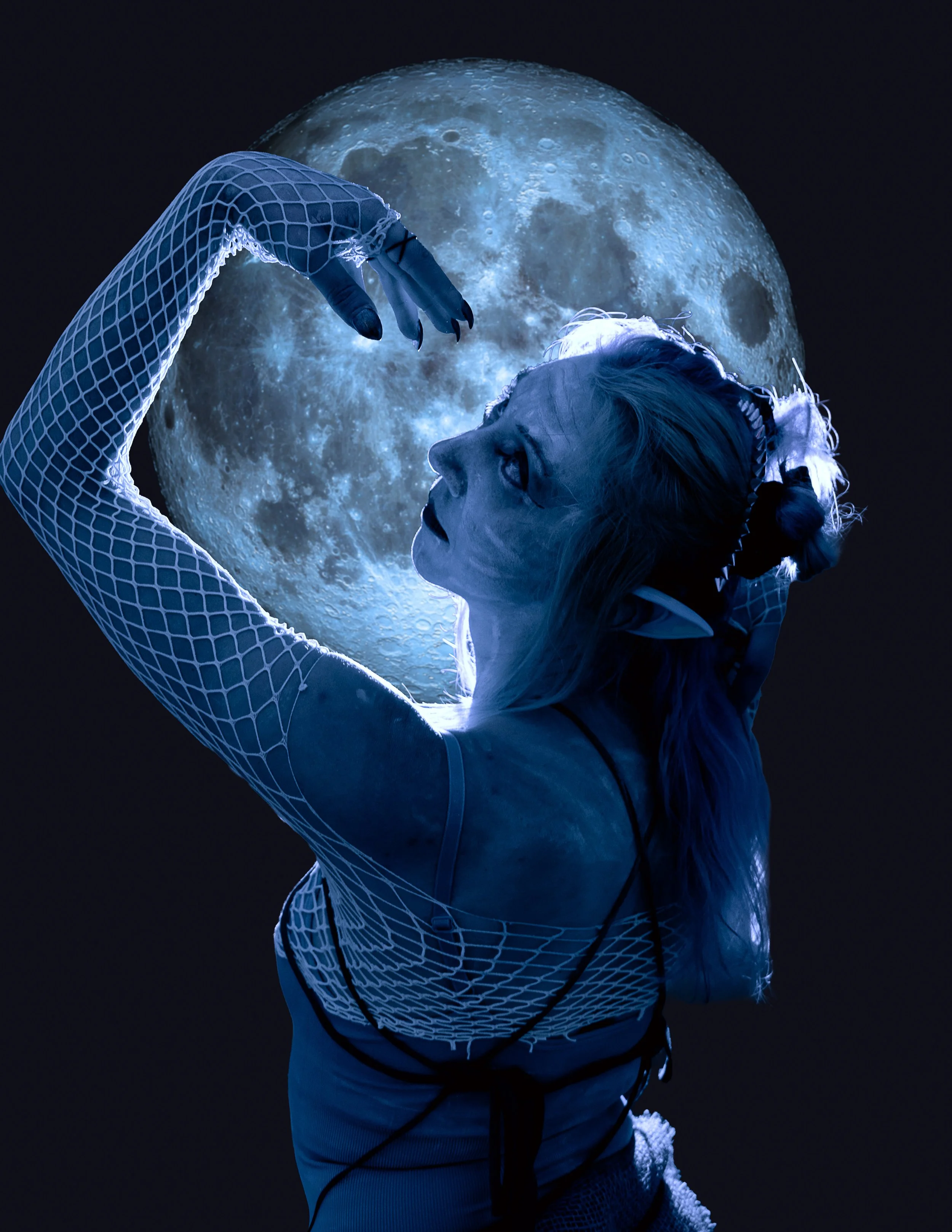
My usual photographic style is what I call “Sovereign Allure”: editorial glamour aimed at mature women rediscovering themselves, somewhere between an editorial portrait and boudoir. But I love experimenting, and photoshoots like this one, which are more fantasy-oriented, are a passion project of mine.
What first inspired you to pursue photography professionally?
I finally discovered a niche that I both excelled in and was drawn to enough to pursue full-time: editorial portraits. Until a couple of years ago, my photography consisted mostly of travel and nature. While I still love that work, the first time I participated in a collaboration with professional models, I was immediately enthralled.
I’m both a technical nerd and a people person, and I found that an editorial shoot gives me the technical challenge, interaction and collaboration that a regular portrait session or landscape does not.
Where do you usually find inspiration when developing a new concept or editorial?
Inspiration comes in several ways: anything from an amazing photograph or music video to a client or collaborator arriving with the beginnings of an idea, and the two of us riffing off each other to create something better than either of us would have created alone. Sometimes, I simply dream something up and then see if I can bring that image to life.
How do you build trust and create a comfortable atmosphere with the people you photograph?
Communication is critically important when working with people, and even more so when collaborating. I maintain a constant dialogue while shooting: “That’s great. Give me a few variations on what you just did. I’m shooting from the waist up right now.”
It is extremely important to me to remain professional at all times. I never touch my models without permission, they always know what the shoot is about, and I keep my language and direction professional. Several models consider me their go-to photographer for anything risqué, and I’m proud to have earned that trust.
What role do lighting, location, styling and composition play in shaping your visual stories?
Lighting is arguably the single most important technical aspect of photography. Everything else stems from its interplay with the subject and the effect it has on them. I spend a great deal of time experimenting with different lighting styles, particularly chiaroscuro.
That isn’t to say composition and styling aren’t important, but in order to compose or style a scene, you first need to understand what the light is doing to it.
How do you balance your creative vision with the expectations of clients, models or publications?
This can be a difficult balancing act. A paying client rightly expects to receive what they are paying for, but to me, there is no point in being a photographer if I’m not inspired or excited by what I’m doing.
I tend to approach sessions as collaborations, allowing the client to feel involved in the final result. That isn’t always possible, since some clients have no idea what to do and simply trust me to do my job. In those cases, I make sure the client is fully aware of my style from the beginning.
Can you tell us about a photoshoot that challenged you creatively and what you learned from it?
Local collaborations have helped me tremendously. As a photographer, you might arrive at a collaboration featuring ten models and ten different sets, none of which you had much input on, and you take each situation as it comes—with only thirty minutes per model.
Each model has their own ideas about what they would like to create and what they want to wear. I challenge myself to take these fairly random situations and produce something I’m proud of. That process has pushed my boundaries and expanded my skill set far beyond where they would be if I were always left to my own devices.
How has your work evolved since you first began photography?
I started with travel, news and landscape photography. Today, I focus exclusively on editorial and portrait photography, often incorporating an element of fantasy. The shift happened once I realised that I wanted the collaboration as much as I wanted the image.
What do you hope viewers feel or understand when they look at your images?
From other photographers, I hope for a reaction such as, “That’s cool—I should try something like that.” I draw inspiration from other people’s work, and I hope they draw inspiration from mine in return.
From everyone else, I hope they see the subject as someone worth looking at twice.
What projects, collaborations or creative directions would you like to explore next?
I’m currently interested in exploring a “dangerous seduction” atmosphere, which could range from boudoir to a simple portrait with a mysterious quality. There are many possibilities, and I want to take my time exploring them.
CONCLUSION
Ian McAnerin’s work reminds us that a memorable portrait is shaped by far more than technical ability. It requires curiosity, sensitivity and an atmosphere in which the person before the camera feels respected enough to reveal something authentic. His mastery of light—particularly his fascination with chiaroscuro—gives his imagery its drama, but it is the trust he establishes with his subjects that gives it depth.
From the confidence and reinvention embodied by “Sovereign Allure” to the fantasy worlds he creates through collaboration, Ian continues to expand his visual language without losing sight of the individual at the centre of every frame. His emerging exploration of “dangerous seduction” feels like a natural next chapter: mysterious, compelling and rich with creative possibility.
Ultimately, Ian does not simply want his subjects to be seen—he wants viewers to pause, look again and recognise someone worthy of their attention. That intention may be the most distinctive and powerful quality of his photography.
