

BETWEEN THE SHADOW AND THE SPOTLIGHT
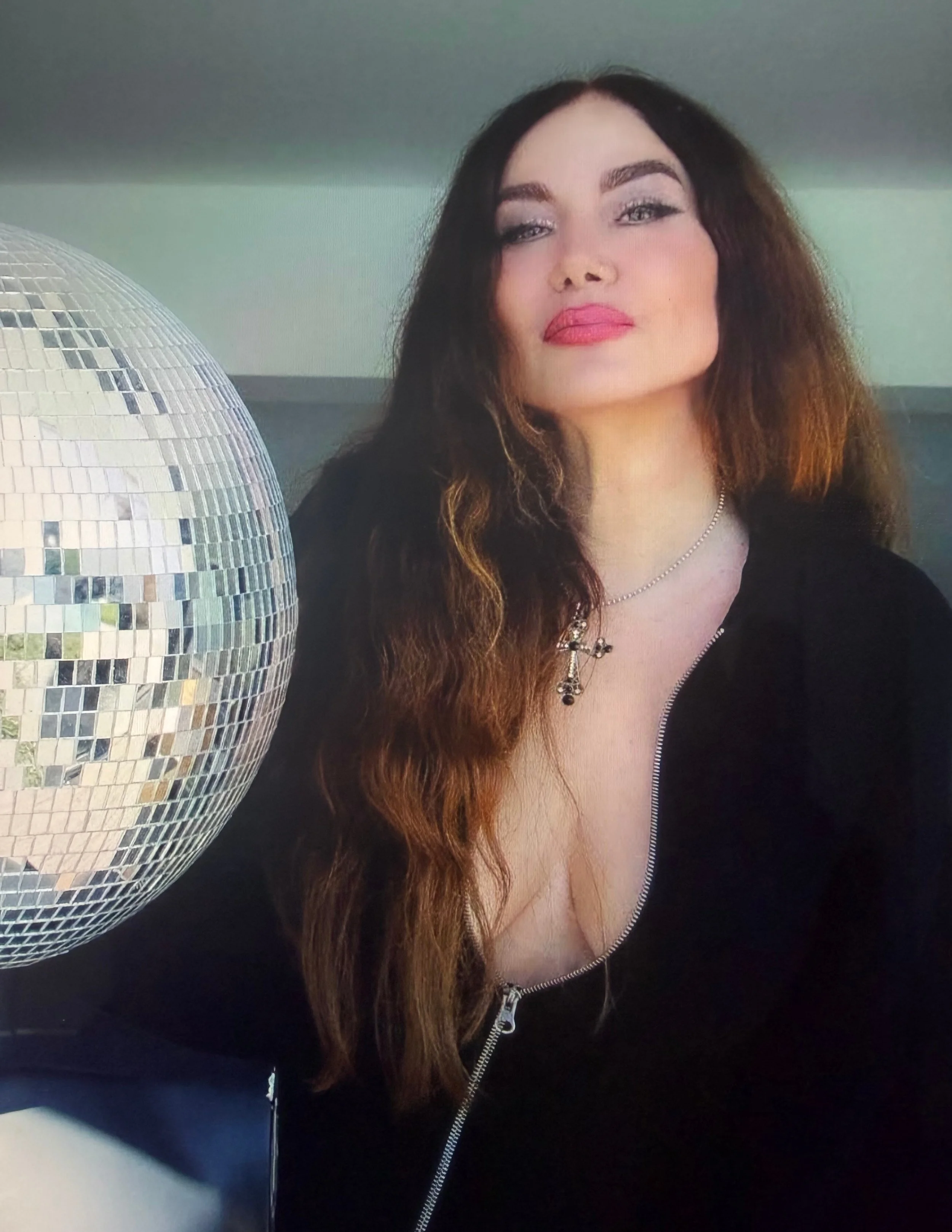
Few artists have built a career with the conviction, independence, and unmistakable atmosphere of Betty Moon. From her early emergence in Toronto’s music scene and major-label beginnings with A&M Records to the creation of her own label, Evolver Music, she has consistently chosen creative freedom over easy categorization. Her sound moves effortlessly through alternative rock, electronic textures, sensual alt-pop, heavy guitars, and cinematic darkness—always held together by her fearless identity and magnetic sense of style.
With her latest EP, Strangely Beautiful, Betty Moon explores the beauty that can emerge from life’s darker, more complicated chapters, while the arrival of her 2003 album Doll Machine on streaming platforms reconnects listeners with the raw, rebellious energy that helped shape her artistic path. In this interview, she reflects on evolution, ownership, femininity, visual storytelling, and the enduring edge that makes Betty Moon entirely her own.
You first emerged from Toronto’s music scene and signed with A&M Records before forging your own path through Evolver Music. How did those early experiences shape the independent artist you are today?
Toronto gave me a backbone. Thankfully, I had music in the family already, but it was really when I was a teen that I figured out early on how to hustle and make it work as a musician in the city. It was where I learned how to be in a band, how to write, how to perform, and how to walk into a room and hold my own.
Signing with A&M Records was a huge chapter, and I’m grateful for it, but it also taught me very quickly how the machinery of the music industry works. There are a lot of opinions, a lot of expectations, and a lot of people trying to tell you what your lane should be. That may work for some people, but I had my own plans at the end of the day.
Ultimately, I think those early years made me tougher and also made me more protective of my own instincts. By the time I started building Evolver Music, I knew I didn’t want to wait around for permission anymore. I wanted ownership, freedom, and the ability to follow my own taste, even when it made things harder. That independent spirit really came from having seen both sides.
Your new EP, Strangely Beautiful, feels atmospheric, reflective, and cinematic. What emotional or creative world were you exploring while making it?
Good question. With this Strangely Beautiful release, I was exploring that place where things can be messy, dark, romantic, painful, and still somehow beautiful. The last few years have been very challenging on a personal level, and only recently did I see the silver lining and understand how there is beauty in the journey. I’ve always liked that contrast. Life rarely shows up in one clean emotion. It’s usually layered with elements like desire, nostalgia, frustration, confidence, sadness, humor—all of it mixed together.
Creatively, I wanted the music to feel a little cinematic and late-night. Not over-explained, not too perfect, but full of mood. There’s definitely reflection in it, but it’s not me sitting around feeling sorry for myself. It’s more like looking back, taking the good and the bad, and turning it into something that still has movement and style.
Your 2003 album Doll Machine has now reached streaming platforms for the first time. What has it been like to revisit that raw, high-octane chapter of your career?
It’s been wild, honestly. Doll Machine is such a raw, loud, fearless version of me. Listening back, I can hear the hunger in it. I can hear the guitars, the attitude, the speed, the chaos, and the confidence. It’s not a record that was trying to behave.
Revisiting it now feels like opening a time capsule, but one that still has teeth. I don’t listen to it and think, “Oh, that was some completely different person.” I hear the same DNA that’s still in my music now. Maybe it was less polished and more dangerous back then, but that energy is still part of me.
When you listen to Doll Machine alongside Strangely Beautiful, what do you hear as the greatest evolution in your artistry—and what essential part of Betty Moon has remained unchanged?
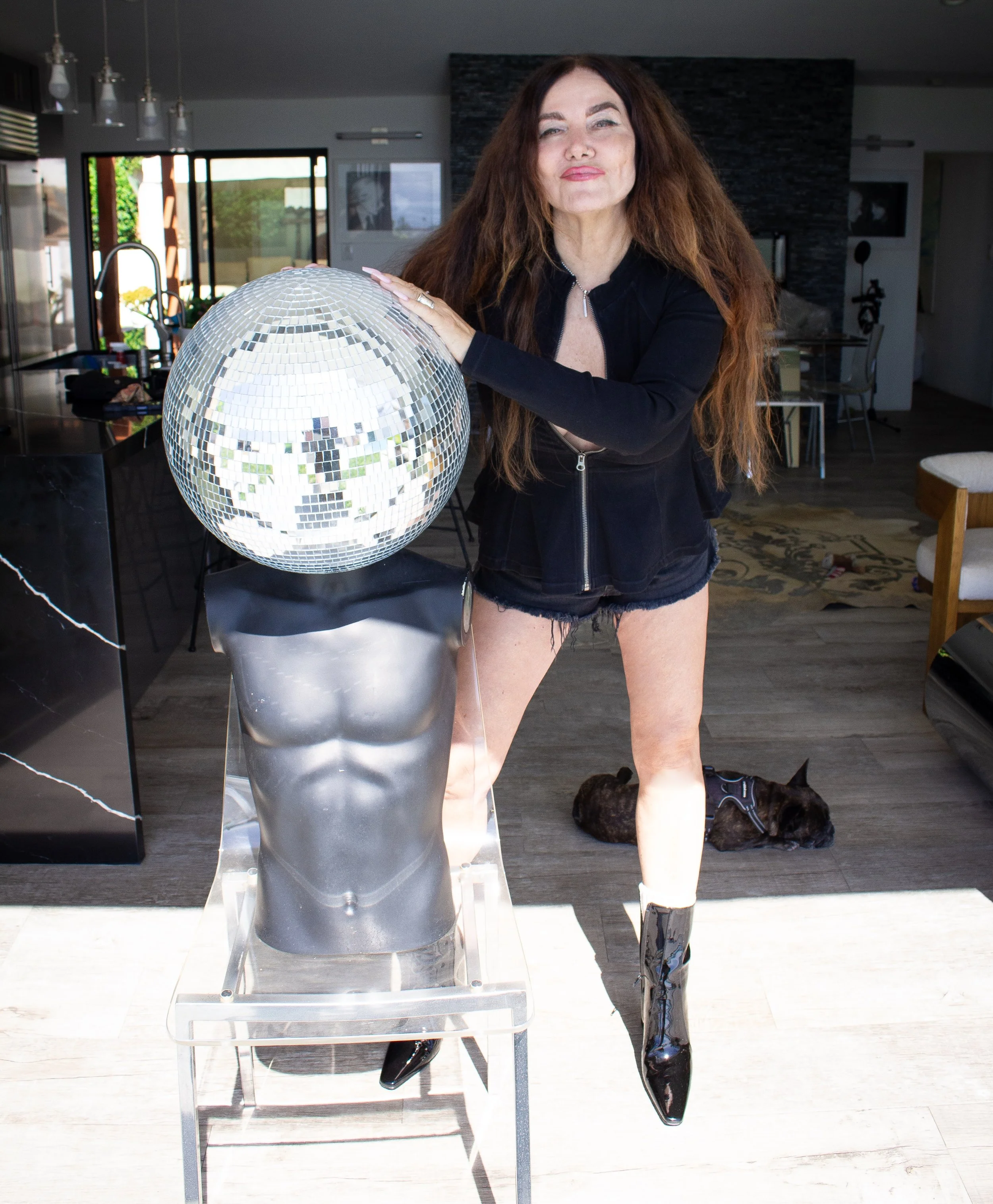
The biggest evolution is probably space and the natural evolution of my songwriting and genre interests. Doll Machinecomes at you hard. It’s fast, heavy, loud, and very direct. I was younger and had a lot of angst to get out there. Strangely Beautiful has more atmosphere and more restraint. I think I’ve learned that you don’t always have to hit someone over the head to make them feel something. Sometimes the mood, the silence, or the way a vocal sits can be just as powerful.
What hasn’t changed is the attitude. The darkness, the glamour, the melody, the edge—that has always been there and part of my brand. I still like songs that feel a little dangerous, cinematic, and off-trend compared to what is popular on the radio. I still like beauty with a bruise on it. That part of Betty Moon and my songwriting has never really gone away.
Your music moves between alternative rock, electronic textures, heavy guitars, alt-pop, and sensuality. Do you deliberately resist being placed in one genre, or has that freedom developed naturally?
I think it developed naturally because I never really thought or wrote in one genre. I grew up listening to everything, and in the ’90s, I was big into alternative rock, metal, pop, and so much more. As a writer, I think more in moods, images, energy, and attitude. I pick up a guitar, sit at a piano, or open Pro Tools to mess around with ideas. Sometimes a song wants guitars or a simple bass line. Sometimes it wants electronics. Sometimes it wants to feel sexy, glamorous, and seductive, and I take that energy and figure out how to bring the vibe to life. Sometimes my ideas simply want to kick the door open.
I’ve never been very interested in being easy to categorize or placed within one specific genre. That can be annoying for people who want everything in a neat little box, but I think it’s more honest—and less stressful—when writing new music. People are not one thing. Artists definitely aren’t one thing, right? I’d rather follow the song and its energy than follow a category.
Dark glamour and cinematic mood are central to your visual identity. How do fashion, imagery, and atmosphere influence the way you write and present your music?
Fashion and imagery have always been part of the world for me. In music, your identity, look, and brand matter more than people think. Throughout my career, my brand has always been a mix of glamour and fashion, but sometimes on the darker side, leaning into rock and alternative sensibilities more than pop and mainstream styles.
I don’t really separate the sound from the look or the atmosphere. A song has a color, a texture, a genre, a room it belongs in, a time of night, a season, or a personal memory. That might sound dramatic, but it’s true. I can usually feel what the song should look like before everything is even finished.
I’ve always loved that mix of darkness and glamour: something beautiful, but not too clean; something stylish, but with a little danger and grit underneath. The visuals help extend the song into a bigger world. It’s not about dressing something up after the fact. It’s all connected from the beginning.
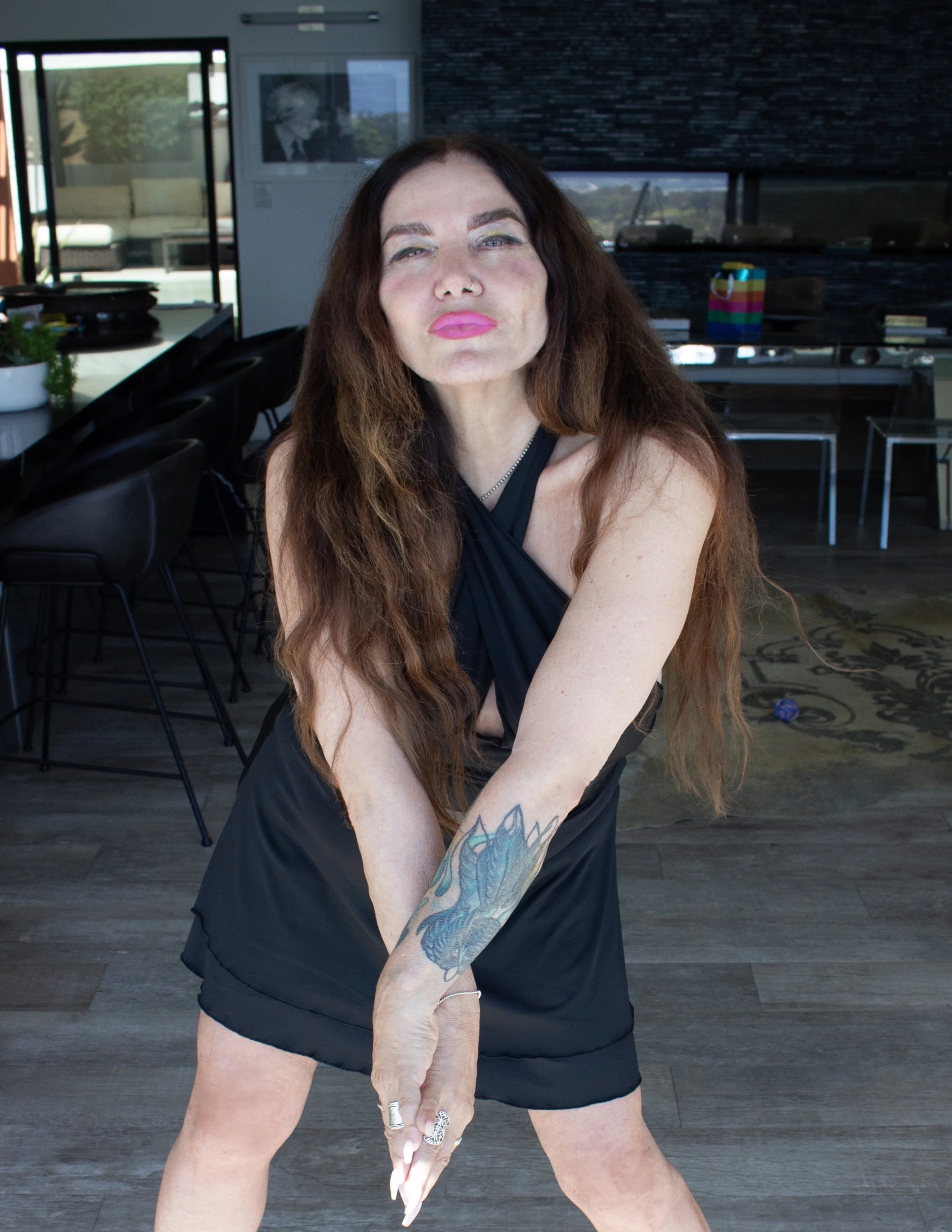
You established your own independent path long before artists had today’s direct access to audiences and digital platforms. What did independence cost you, and what did it give you that a traditional career might not have?
Independence absolutely has its cost, and there are positive and negative aspects to going DIY. There’s no question about that. When you’re independent, especially before all the tools artists have now, you carry a lot yourself. You’re making creative decisions, business decisions, financial decisions, and marketing decisions—all while trying to stay inspired enough to make the actual music. It’s not always glamorous behind the curtain.
Especially back in the ’90s, if you didn’t have a major or independent label backing you with solid management, you were essentially screwed. You may as well stay home and get a day job—seriously. I think some of it was timing, and perhaps a little luck, but I think the work ethic and constantly moving forward are ultimately what made this all work.
What independence and having my own label gave me was priceless. It gave me ownership. It gave me freedom. It gave me the ability to evolve without having to sit in meetings and convince someone that I knew who I was. I’ve been able to build a career on my own terms, and that means a lot to me. I’d rather take the harder road if it means I get to keep my voice and do things on my own terms.
Having moved creatively between Toronto and Southern California, how have those two environments influenced your sound, identity, and outlook as an artist?
Toronto gave me my start, and it was a lot different back then. The city and its music scene gave me that early rock energy, the work ethic, the edge, and the hunger. Everyone—from friends and concert venue bookers to record-store owners and more—was part of the story. There’s a toughness to coming out of that scene. You had to prove yourself. You had to be good. You had to show up and not be a dick, while still sticking up for yourself.
Southern California and the Los Angeles area opened things up for me in a different way. There’s more space here, more light, more lifestyle, and more cinematic and music-industry energy. Los Angeles and Malibu have definitely influenced the atmosphere in my music. I think the combination works for me: Toronto gave me the bite, and California gave me the dreamscape. I love both areas equally—I must remind everyone of that.
The music industry often pressures women to soften, conform, or continually reinvent themselves for commercial reasons. How have you evolved without allowing the industry to define who you should become?
Another good question, and what the music industry was then is nothing like what it is now. I think the trick is knowing the difference between evolving and being remodeled by someone else or by the pressure of trends. I’ve changed a lot over the years, but I don’t think I’ve ever changed because someone told me I had to become easier to sell. I’ve changed because I was curious, because my taste changed, because my life changed, and because the songs took me somewhere new.
As an artist who has done this for a while, there is definitely pressure on women to be softer, younger, quieter, sexier, safer—whatever the trend of the moment demands. I’ve never had much patience for that. I like being feminine, glamorous, strong, strange, difficult, emotional, and independent all at once. I don’t think women should have to shrink themselves into one acceptable version. That’s so stressful, and at the end of the day, we want to be authentic and create because we are passionate about art and music.
After exploring the contrast between the raw intensity of Doll Machine and the shadowy refinement of Strangely Beautiful, where do you feel your creative instincts are leading you next?
I feel like I’m in a really interesting place because I can hear all these different eras speaking to each other now. There’s the raw rock side, the atmospheric side, the electronic side, and more—and I don’t feel like I have to choose only one.
I’m always working on new ideas, and I think whatever comes next will probably carry some of that full range. I’m always writing new music, and I have folders of ideas and demos from over the years that are waiting for the perfect or ideal time to take them to the finish line.
With my music, as always, I like the idea of something with teeth, but also beauty. Something cinematic and larger than life, but also not too polished. Perhaps something that feels like it has lived a little. That’s usually where I’m happiest creatively—somewhere between the shadow and the spotlight.
Betty Moon’s career is a powerful reminder that true evolution does not require an artist to abandon who they are. Whether she is revisiting the unapologetic force of Doll Machine or embracing the layered, late-night atmosphere of Strangely Beautiful, her work remains rooted in the same essential spirit: bold, glamorous, emotionally honest, and beautifully untamed.
After decades of following her own instincts, she continues to create from a place where darkness meets desire, strength meets vulnerability, and rock-and-roll attitude meets cinematic beauty. With new ideas already taking shape, Betty Moon remains an artist who refuses to stand still—and whose next chapter promises just as much edge, depth, and striking originality.
Model: Betty Moon @bettymoonmusic
Photographer: Lee Hanson